A Variegated Fairywren male’s first moult
January 2026
A timeline of how a Variegated fairywren male moulted into his first breeding plumage in his first year.
I am a regular visitor to Taronga Zoo, Sydney, because in my spare time I enjoy documenting the life and relationships of some of their primate groups which I’ve been doing for over 5 years now. It is also nice visiting their aviaries, which are walk-in enclosures and have quite a lot of different species to see.
It was during one of my visits in May in one of the walk-in aviaries that I noticed a young variegated fairywren male with a slightly dark beak and still with the juvenile ring around the eye. He was living with his mum and dad, who was a male in full breeding colours even in autumn (as some of the oldest males don’t moult out of breeding colours after breeding season).
Over the next 13 visits, I spent over an hour within the aviary every time to get progress photos of his moult. Unfortunately he was removed from display sometime in September due to some circumstances, so I didn’t get to capture him finishing his full breeding plumage moult. While this timeline will not be typical of all variegated males, I think it’s still a useful reference point.
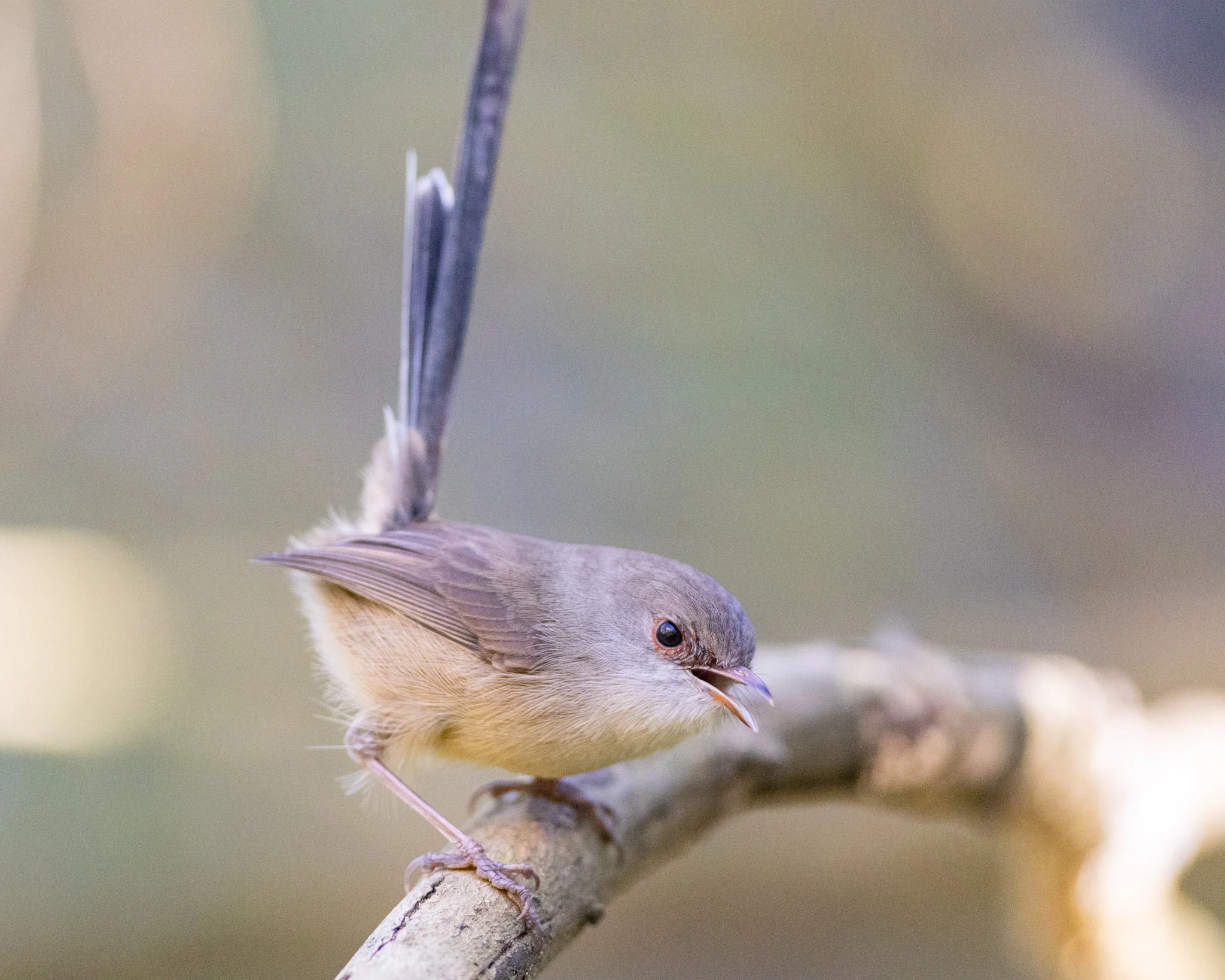
My first portrait of the Variegated fairywren male, taken on May 14 2025
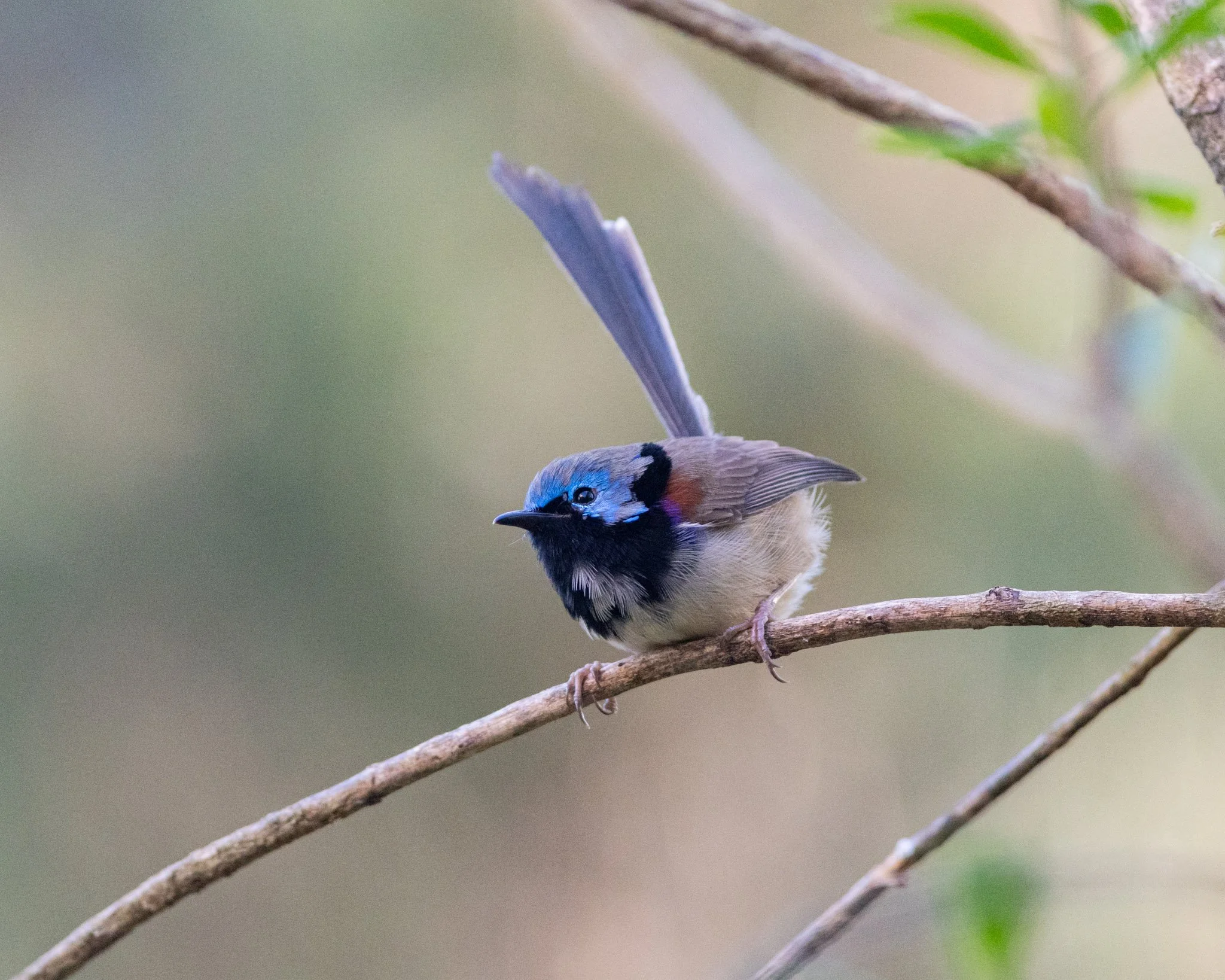
My last portrait of the Variegated fairywren male, taken on September 1 2025
A quick slideshow, 11 images across 111 days
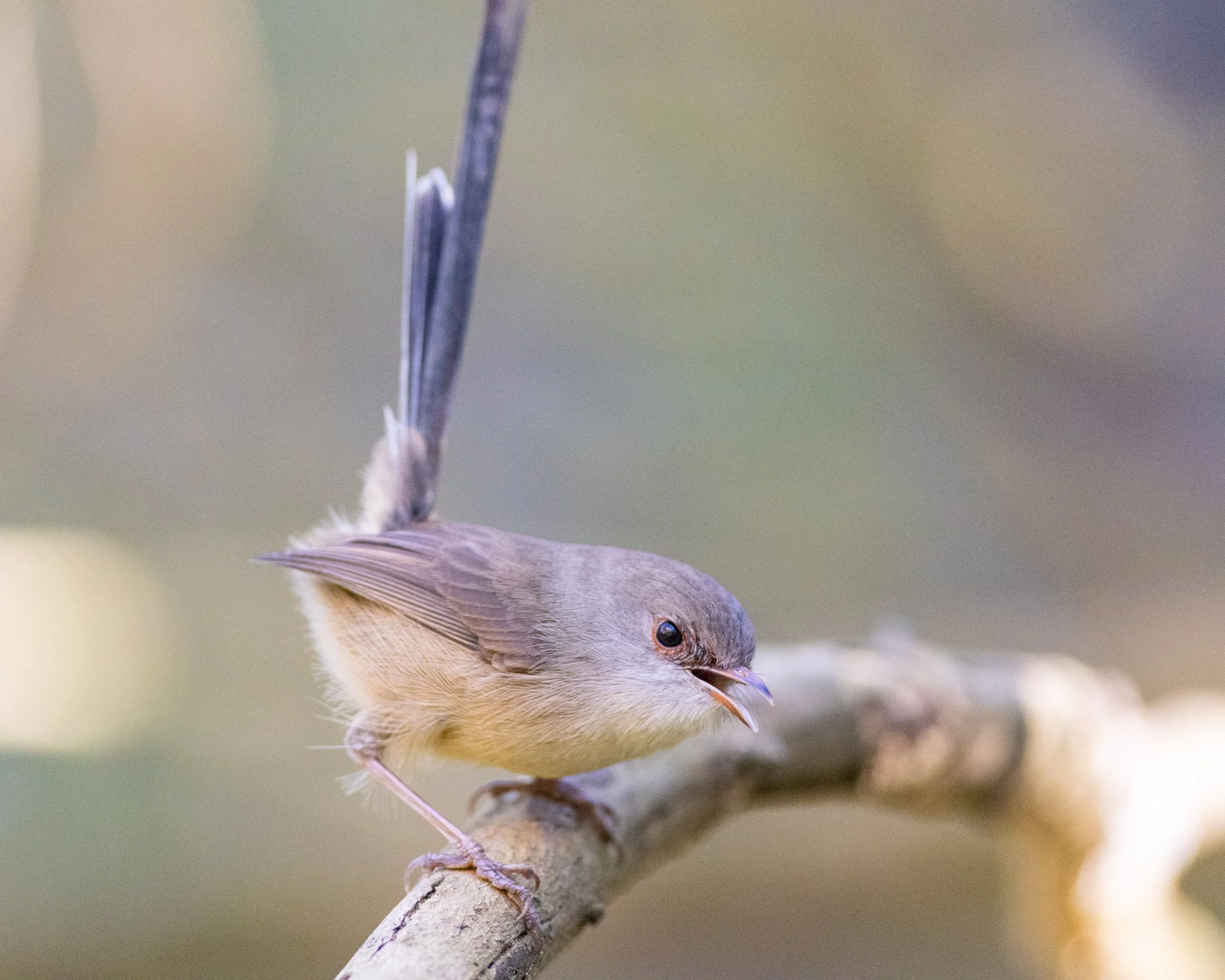
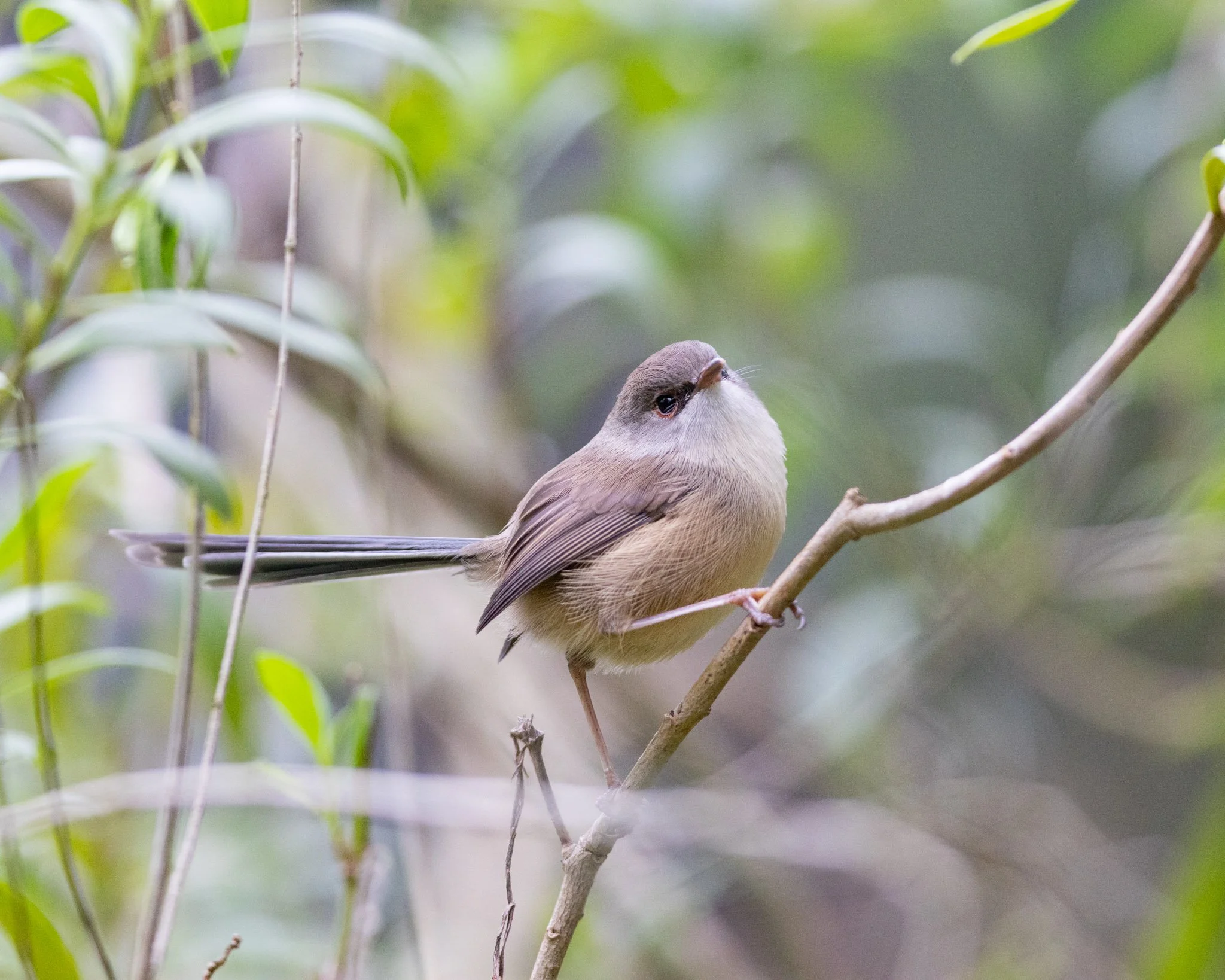
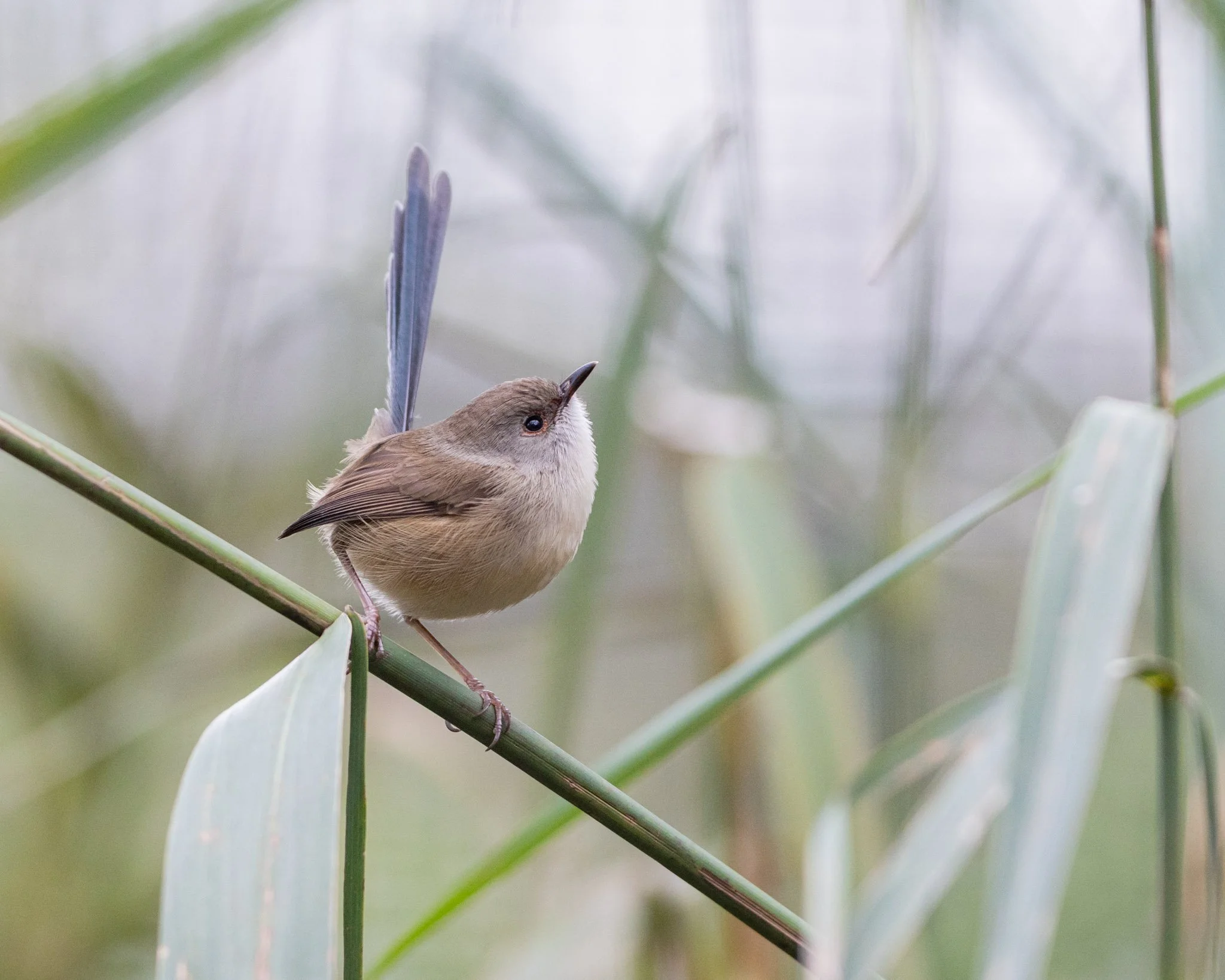
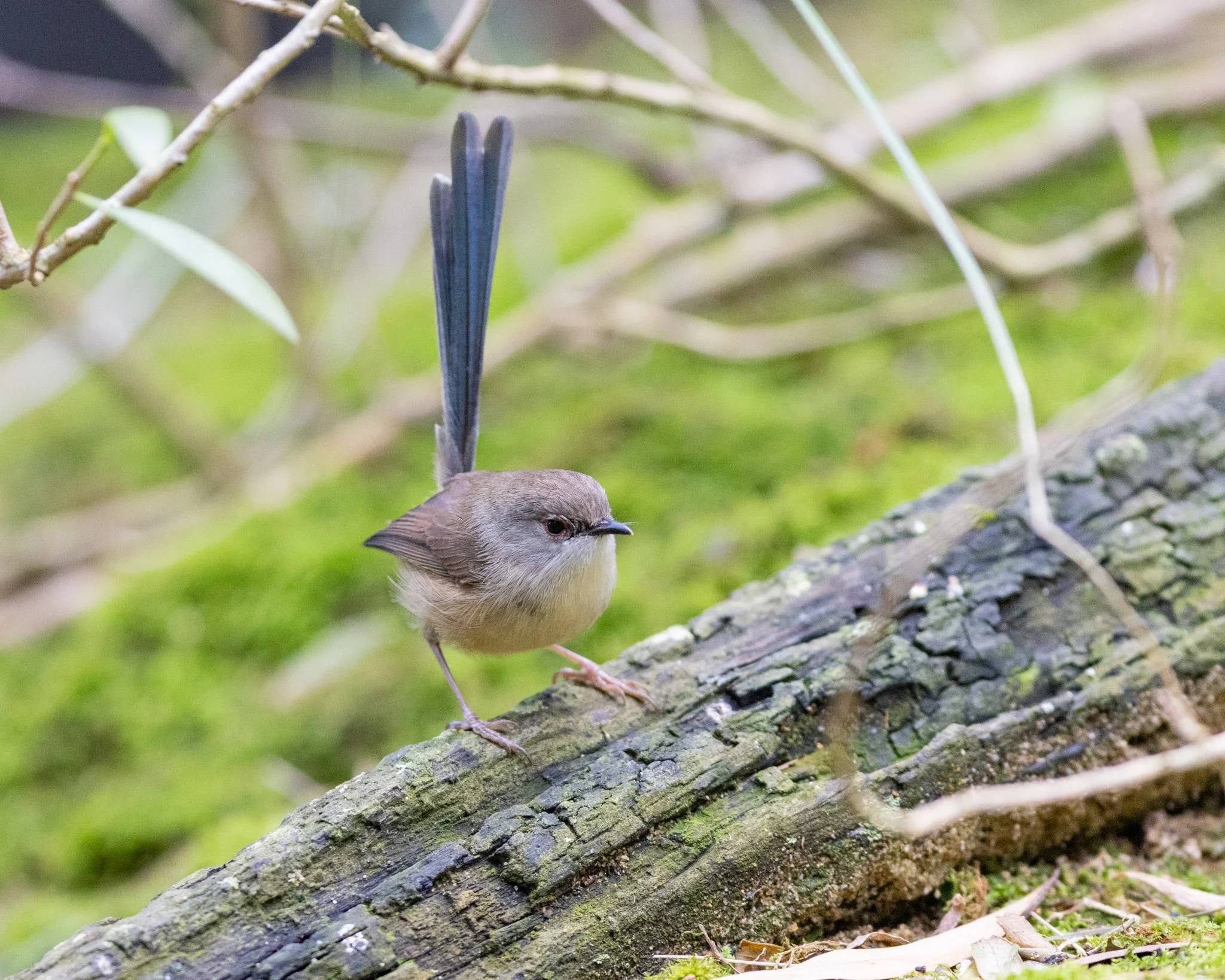
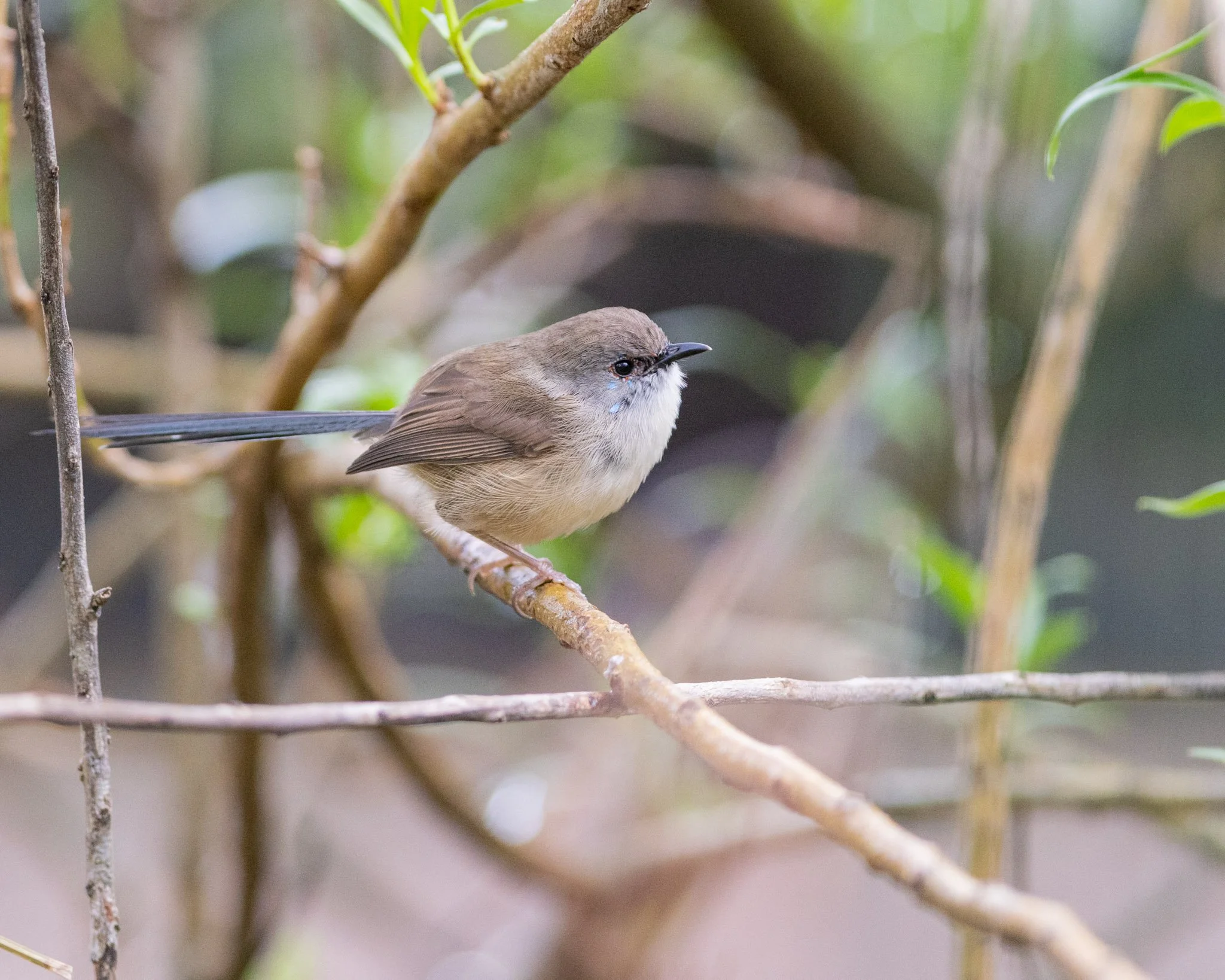
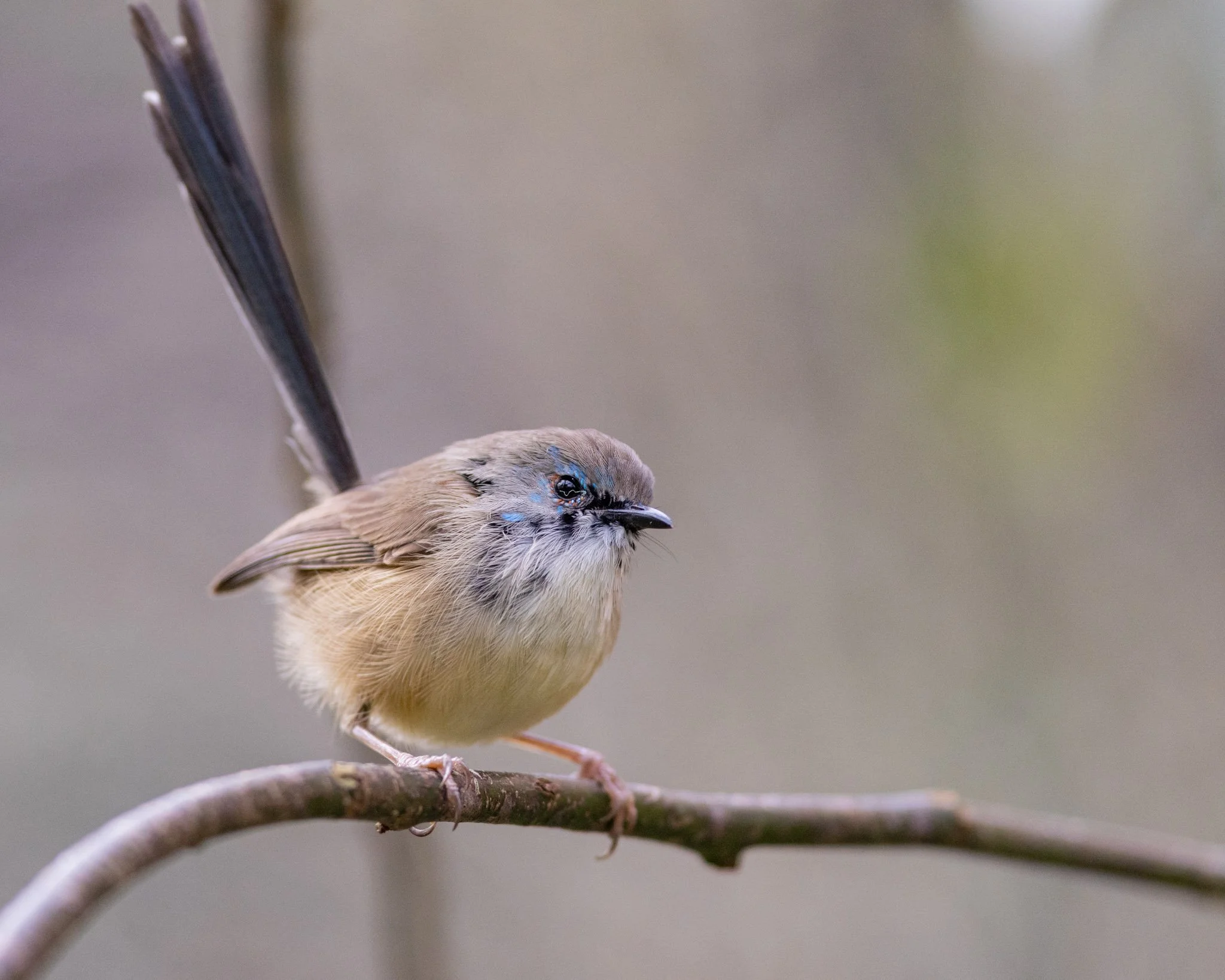
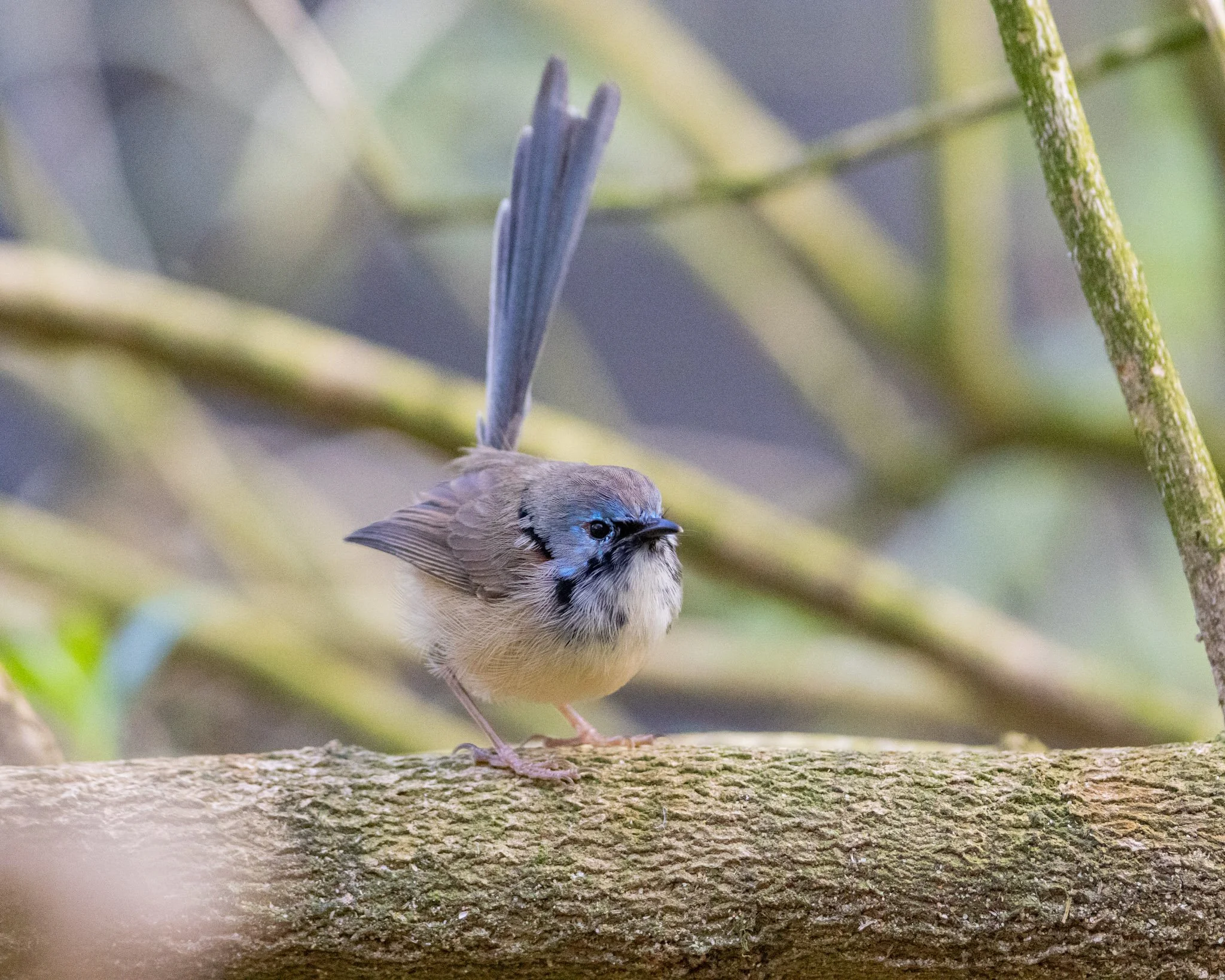
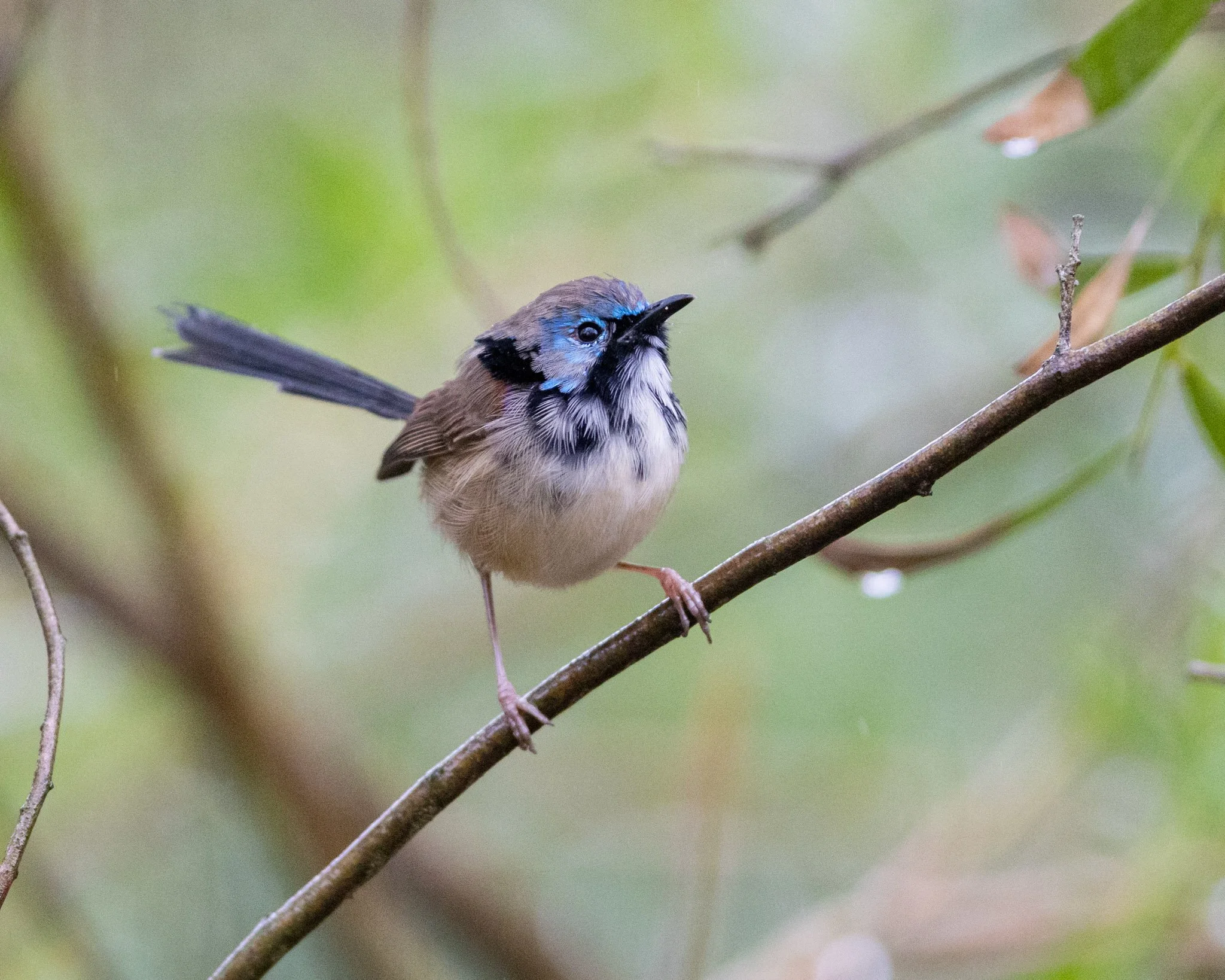
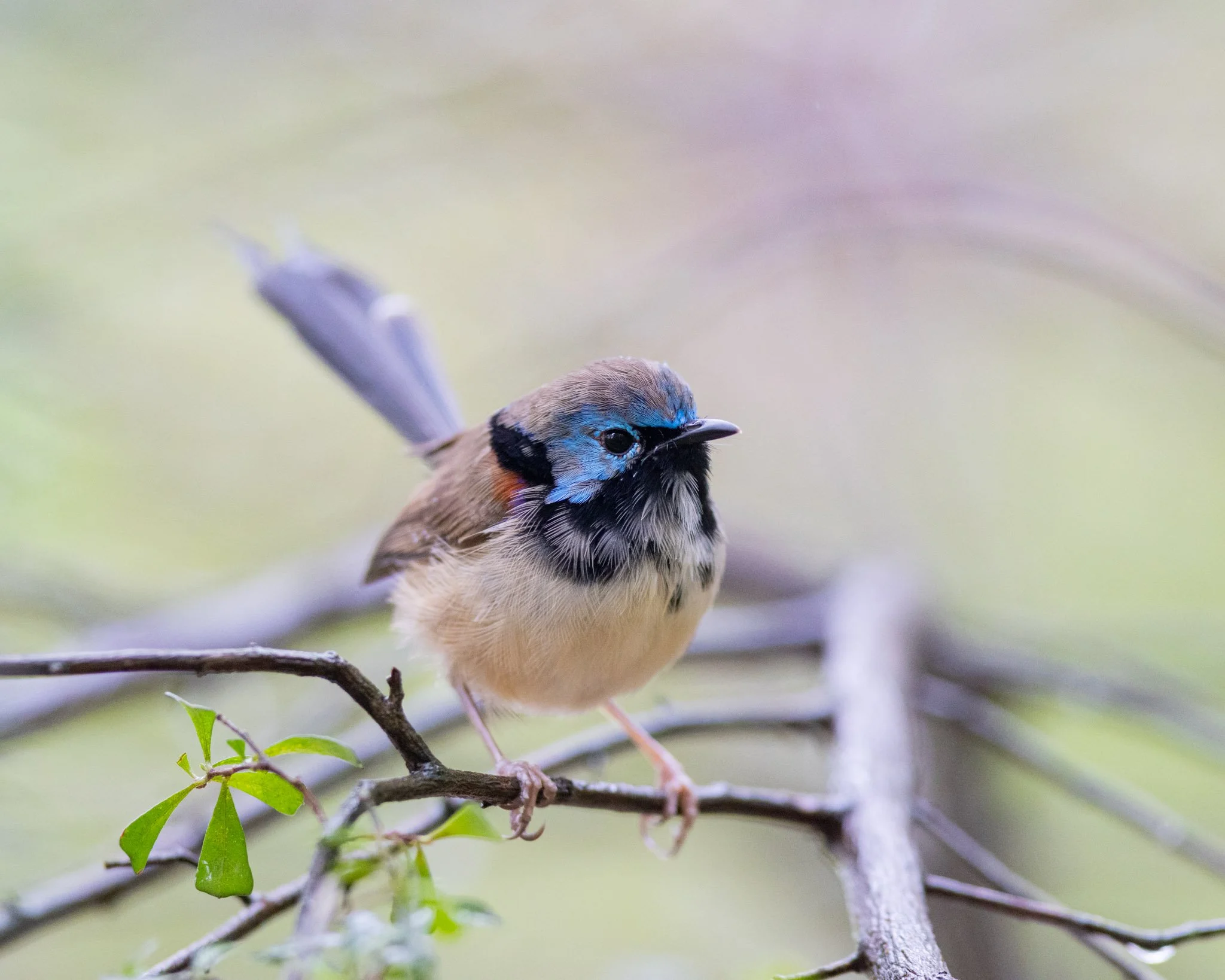
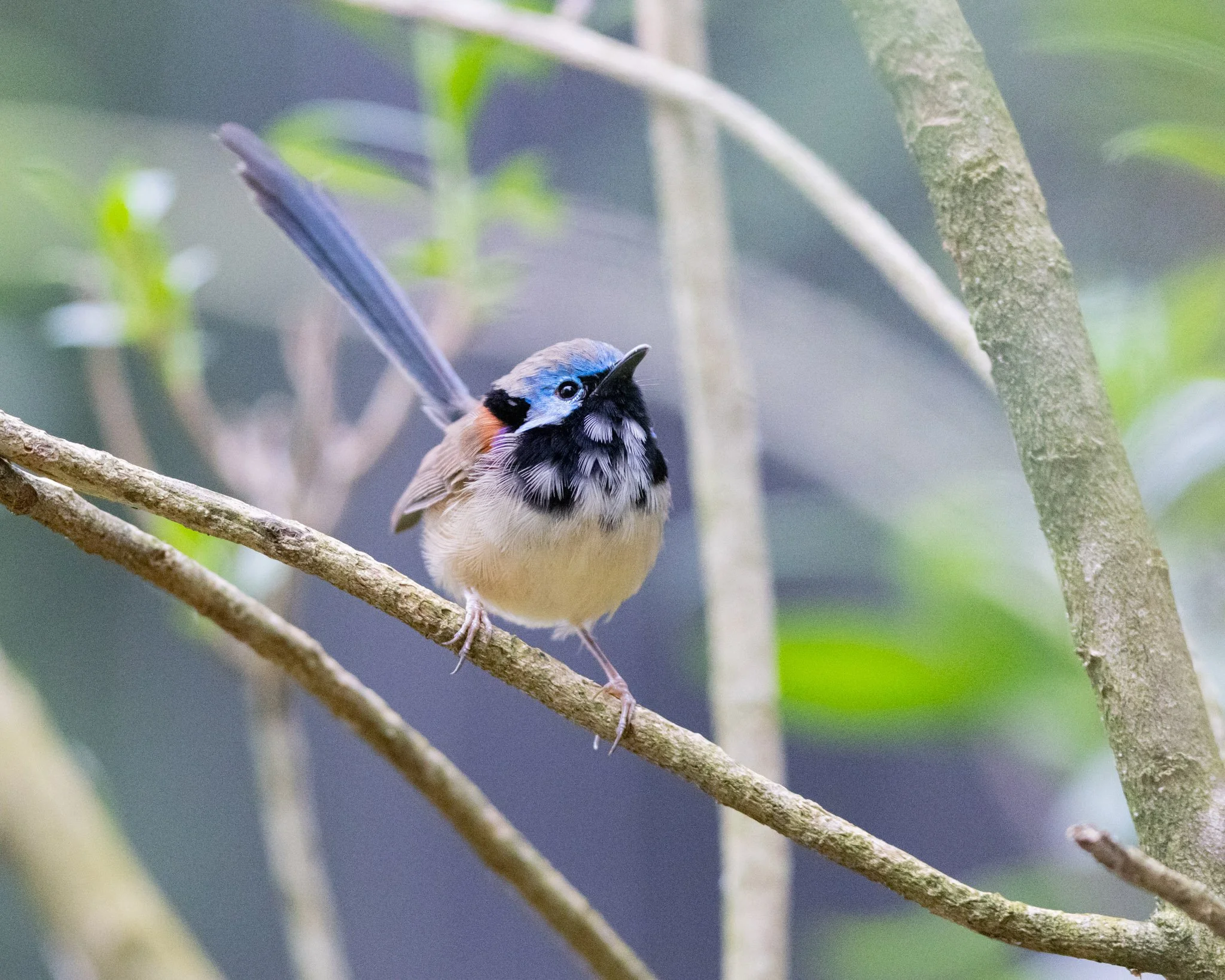
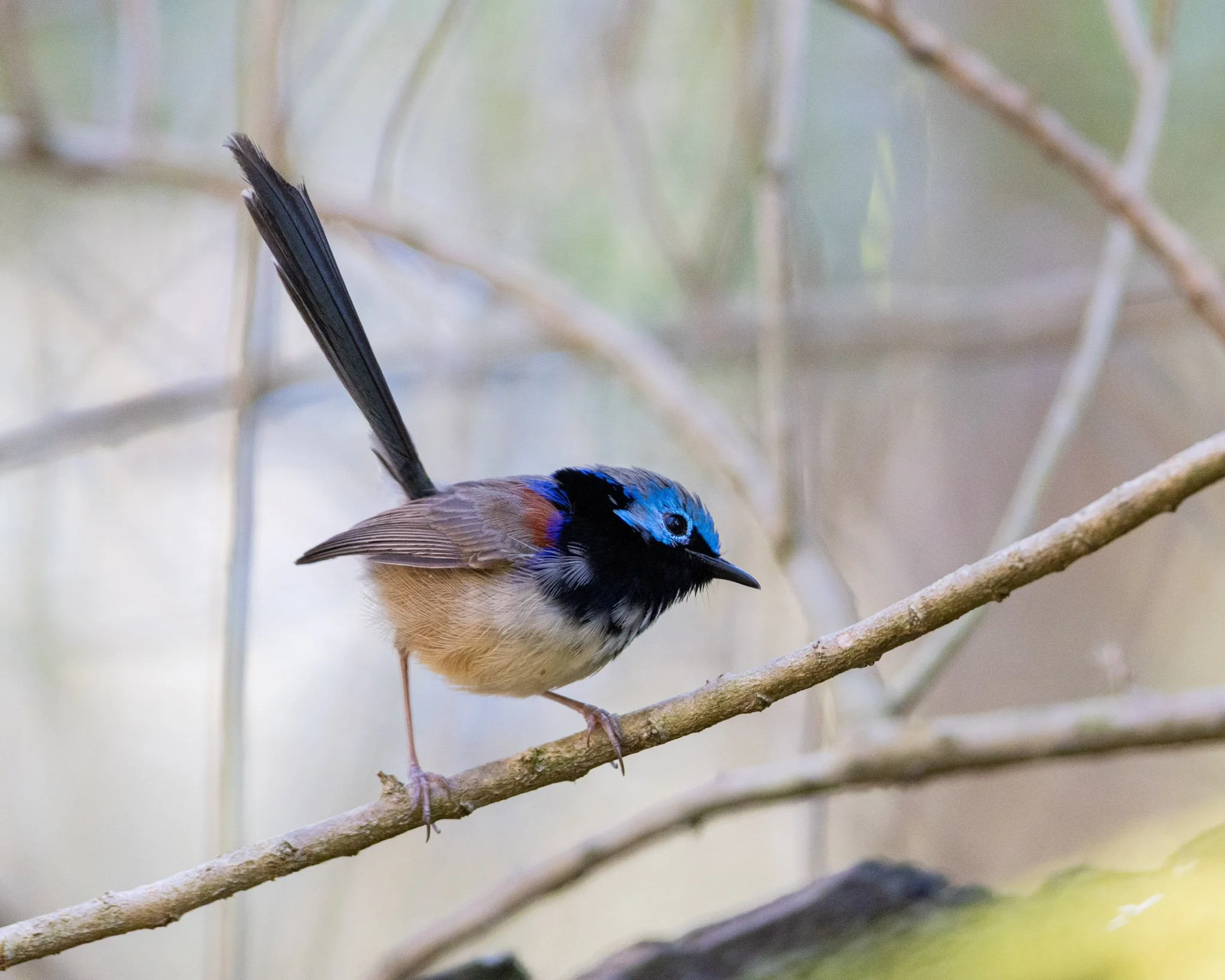
The Variegated Fairywren
Variegated fairywrens, Malurus lamberti, are a small insectivorous passerine bird known for their bright and colourful males, small size, long upright tails, and big personality. Males generally start moulting into breeding plumage in winter, ready for spring, and start moulting back into non-breeding plumage in autumn, although some older males don’t moult out of breeding plumage over autumn/winter. The youngest male birds can’t be separated from the young girls until their beaks start darkening to black, they start losing their brown eye-ring, and their lores (the patch in front of the eye next to the beak) starts to change.
In the male of this study, I only first noticed him after his beak had just started to darken, his eye-ring was starting to go patchy, and his lores had changed colour a little.
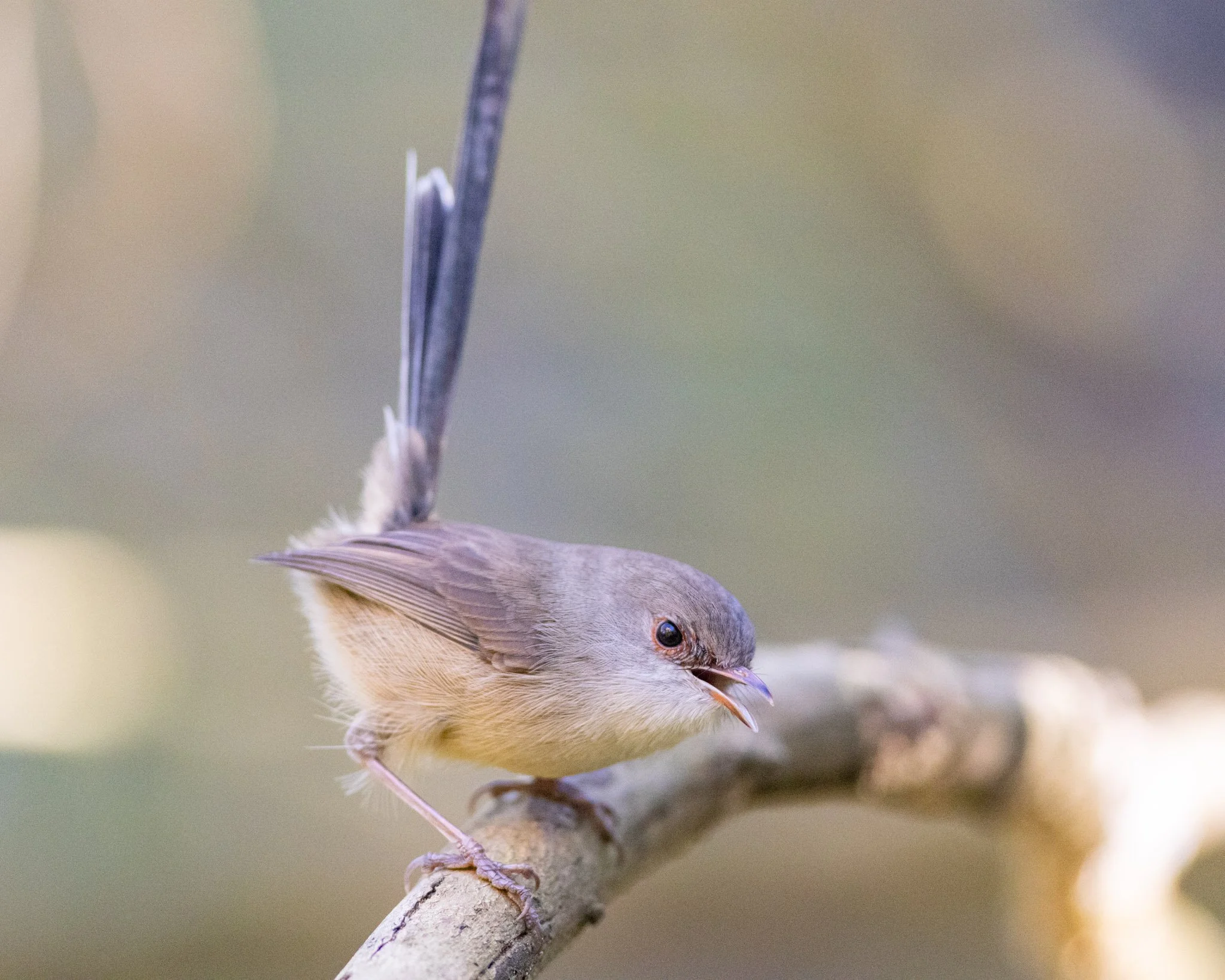
Immature Variegated Fairywren male on 14/5/25
Immature Variegated Fairywren male on 14/5/25
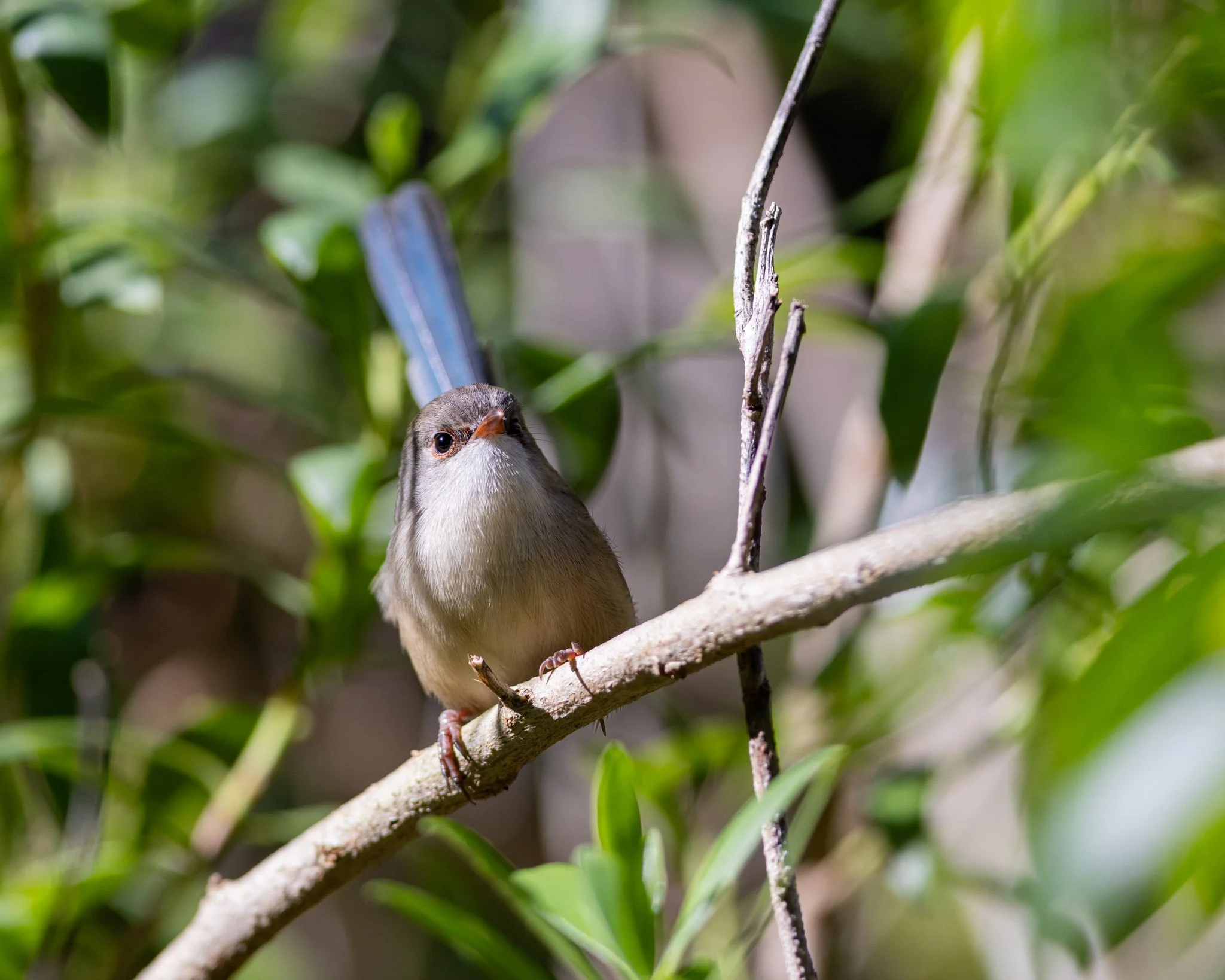
The next time I was able to get time to visit him was on 26/5/25, where I managed to get several angles for him, including a front and back. There’s no evidence for any breeding-moult feathers on the surface yet, besides peeking at the dark down-feather layer underneath. The top arc of the eye ring is almost entirely light brown, and there’s some better detail on the beak colouration in these photos.
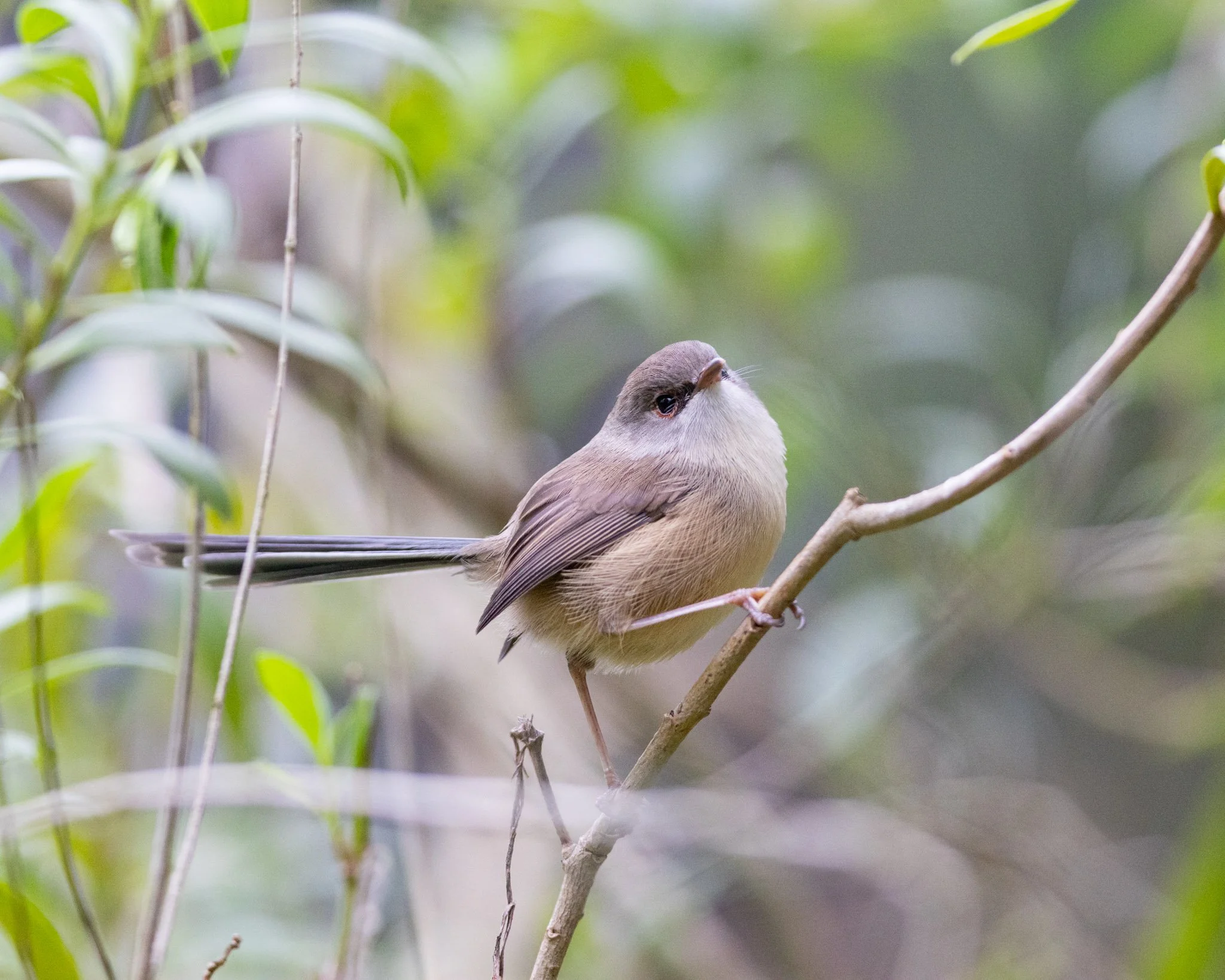
Immature Variegated Fairywren male on 26/5/25
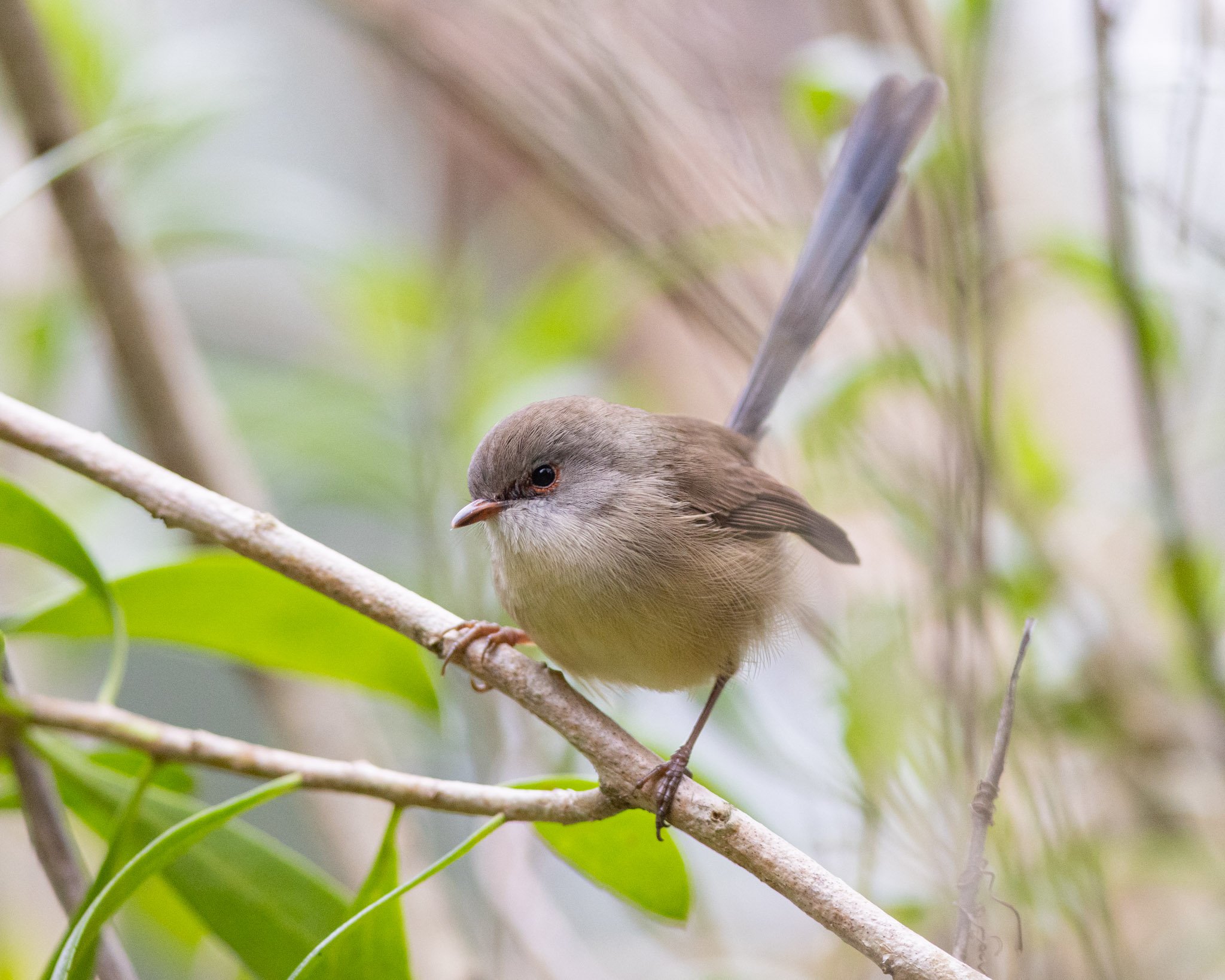
Immature Variegated Fairywren male on 26/5/25
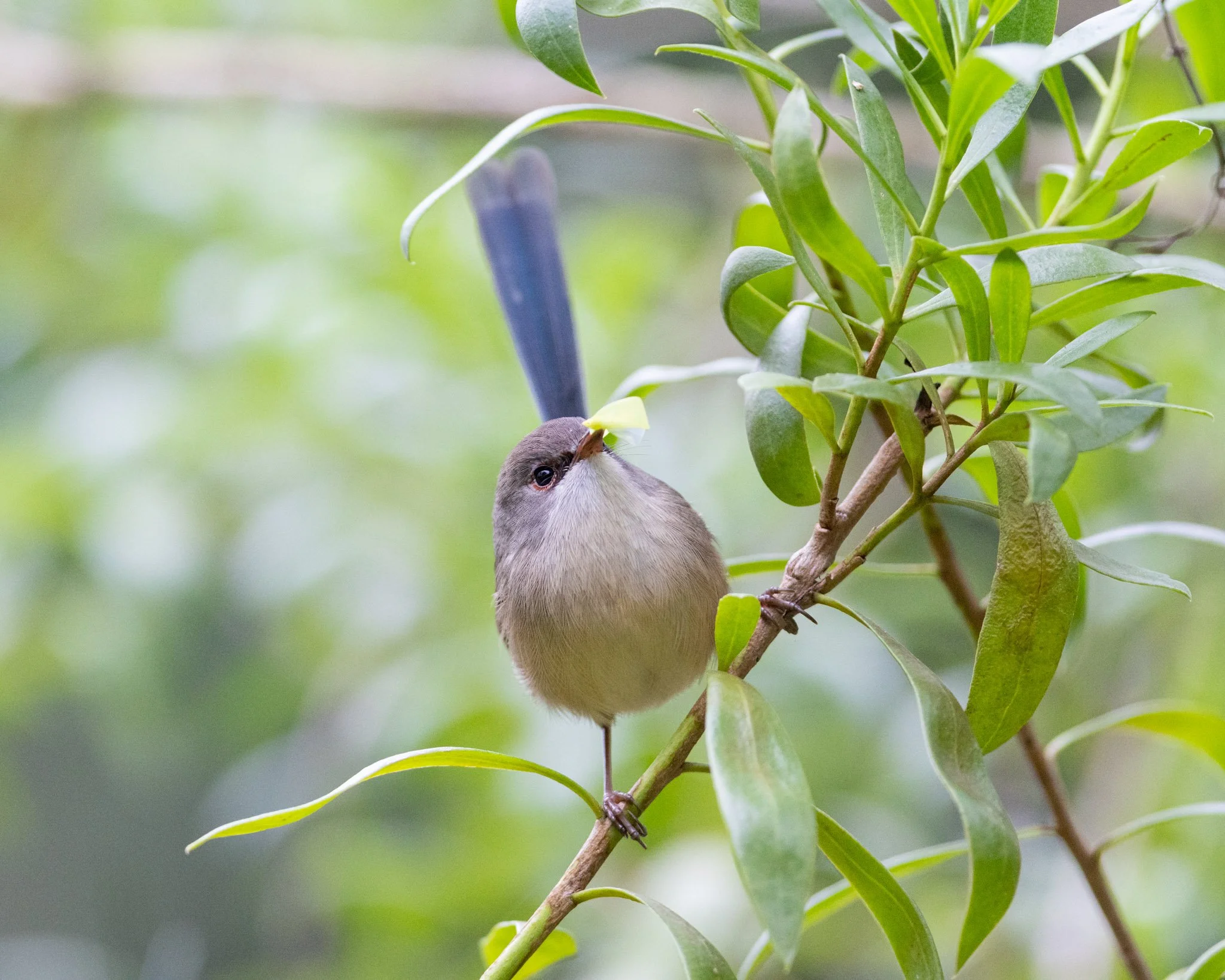
Immature Variegated Fairywren male on 26/5/25
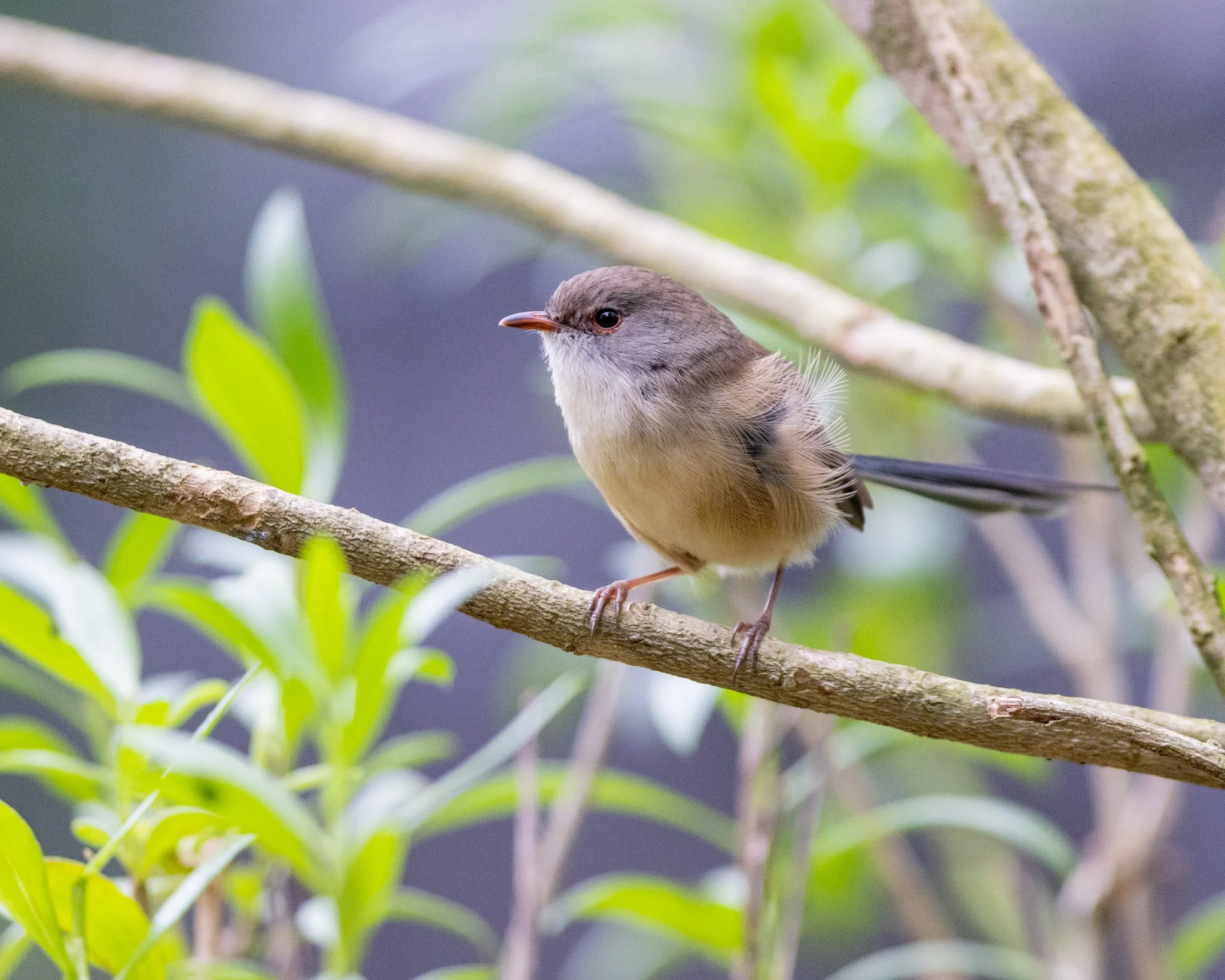
Immature Variegated Fairywren male on 26/5/25
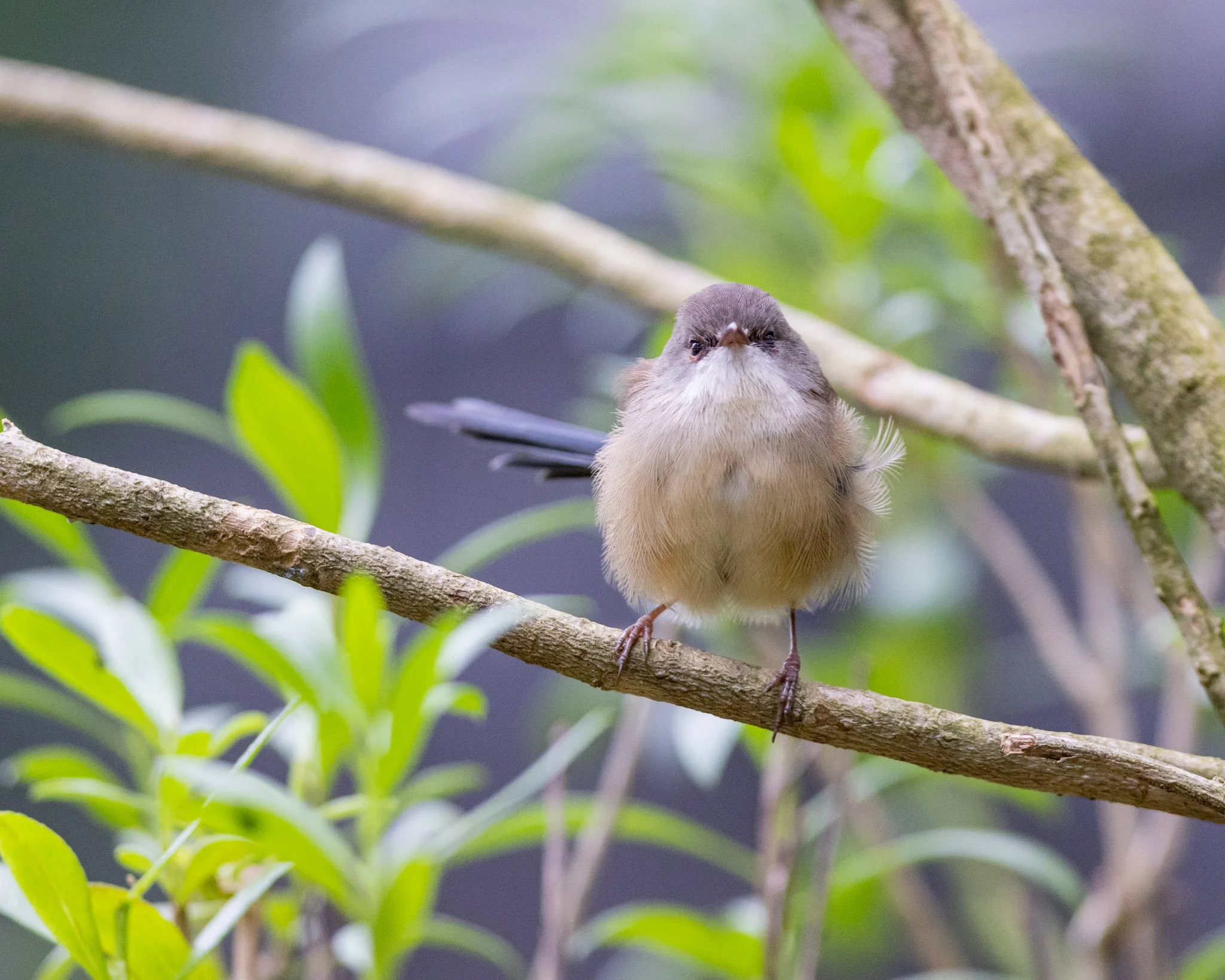
Immature Variegated Fairywren male on 26/5/25
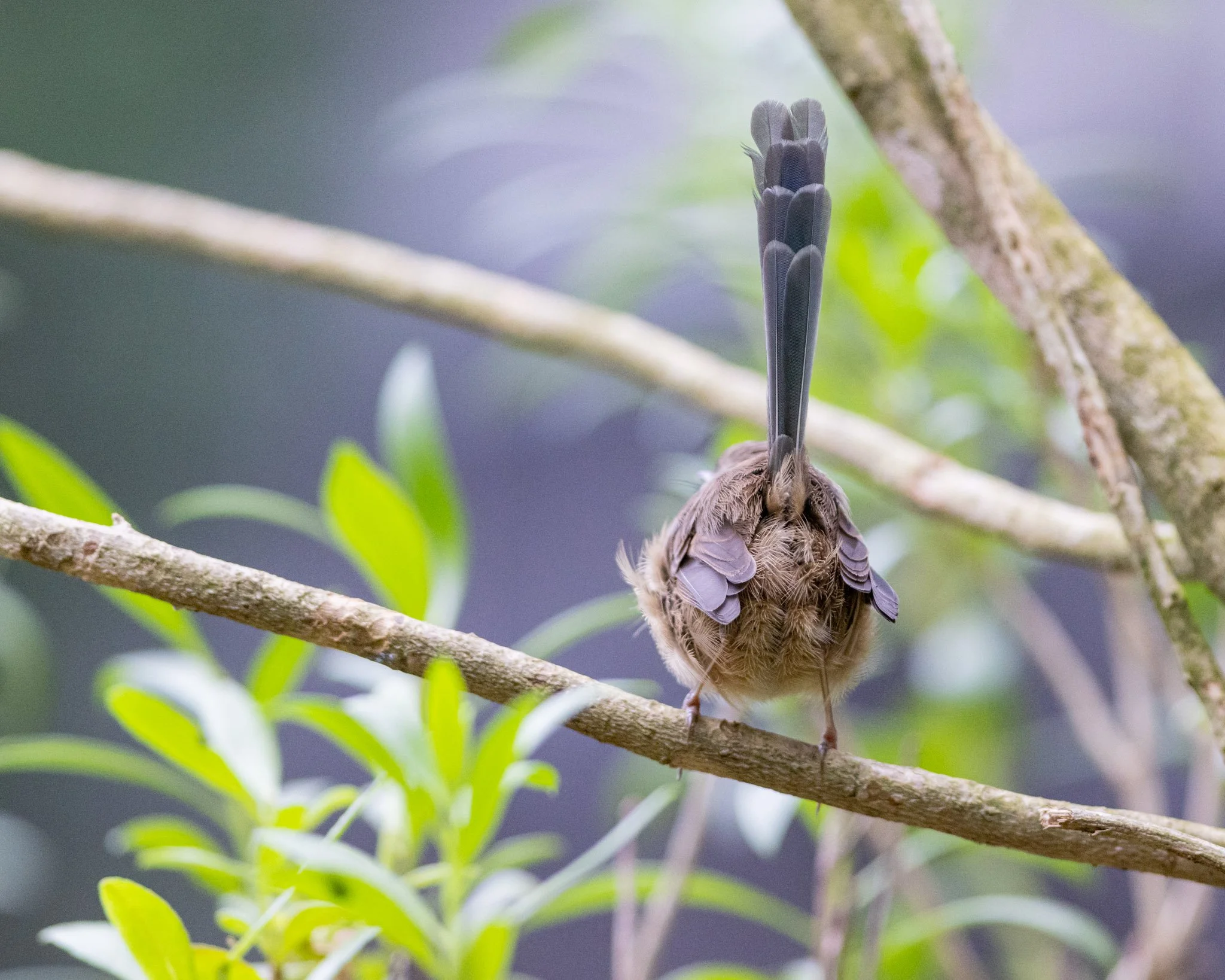
Immature Variegated Fairywren male on 26/5/25
I was only able to get a single shot on 11/6/25. I was trying to get at least a photo on each side each visit, but I had to let it go and wait if he didn’t feel like it. Finding a single small bird within an aviary the size of a small house (it’s about a 20m x 20m space) with over a hundred different birds is pretty difficult. I got pretty good at picking out the faint sounds of their calls out of the others, but it was much easier when one of them would do their ringing call (which I think is for territory).
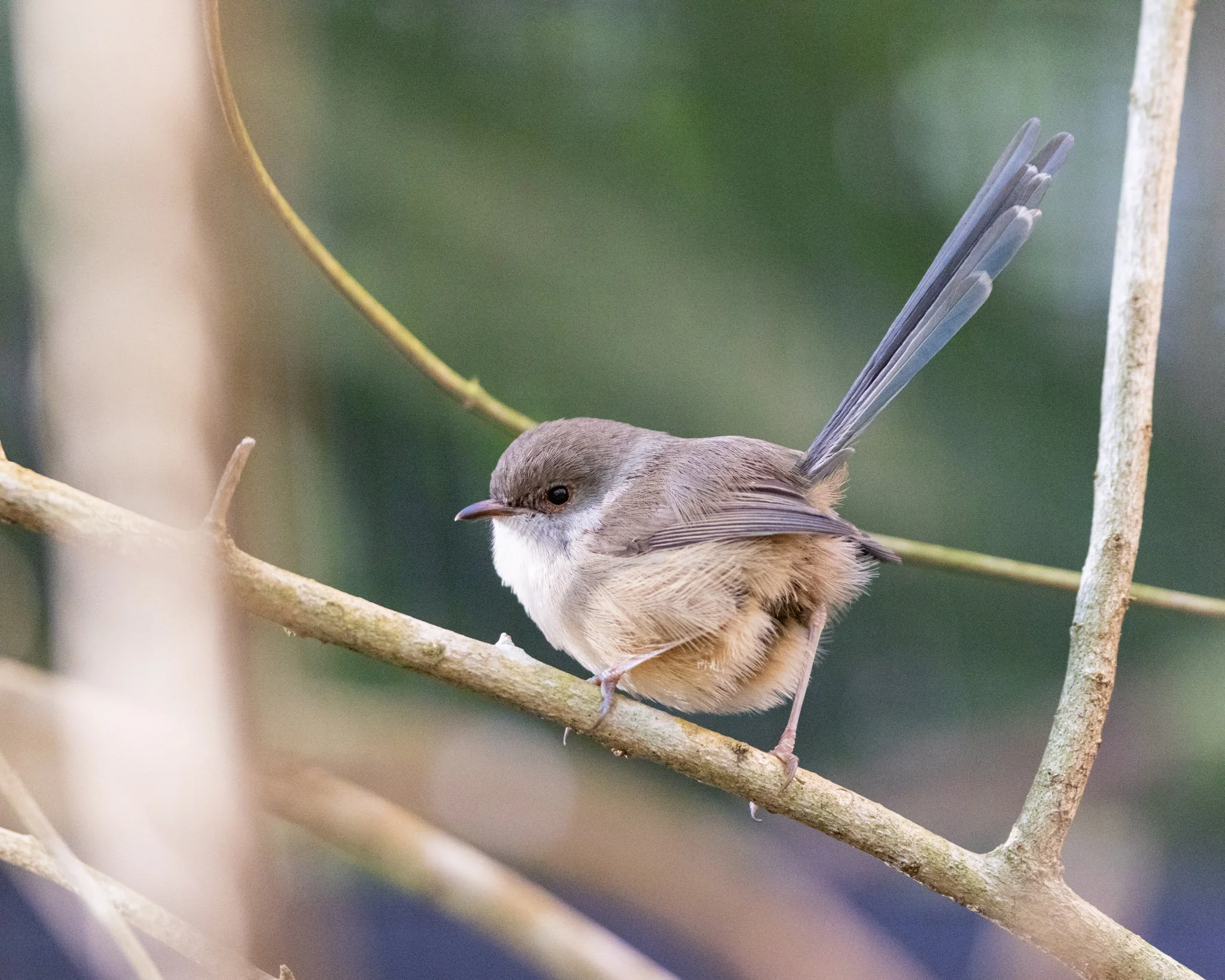
Immature Variegated Fairywren male on 11/6/25
The next time I was able to photograph him on 27/6/25 , his beak was almost completely dark, but not as black as an adult male yet.
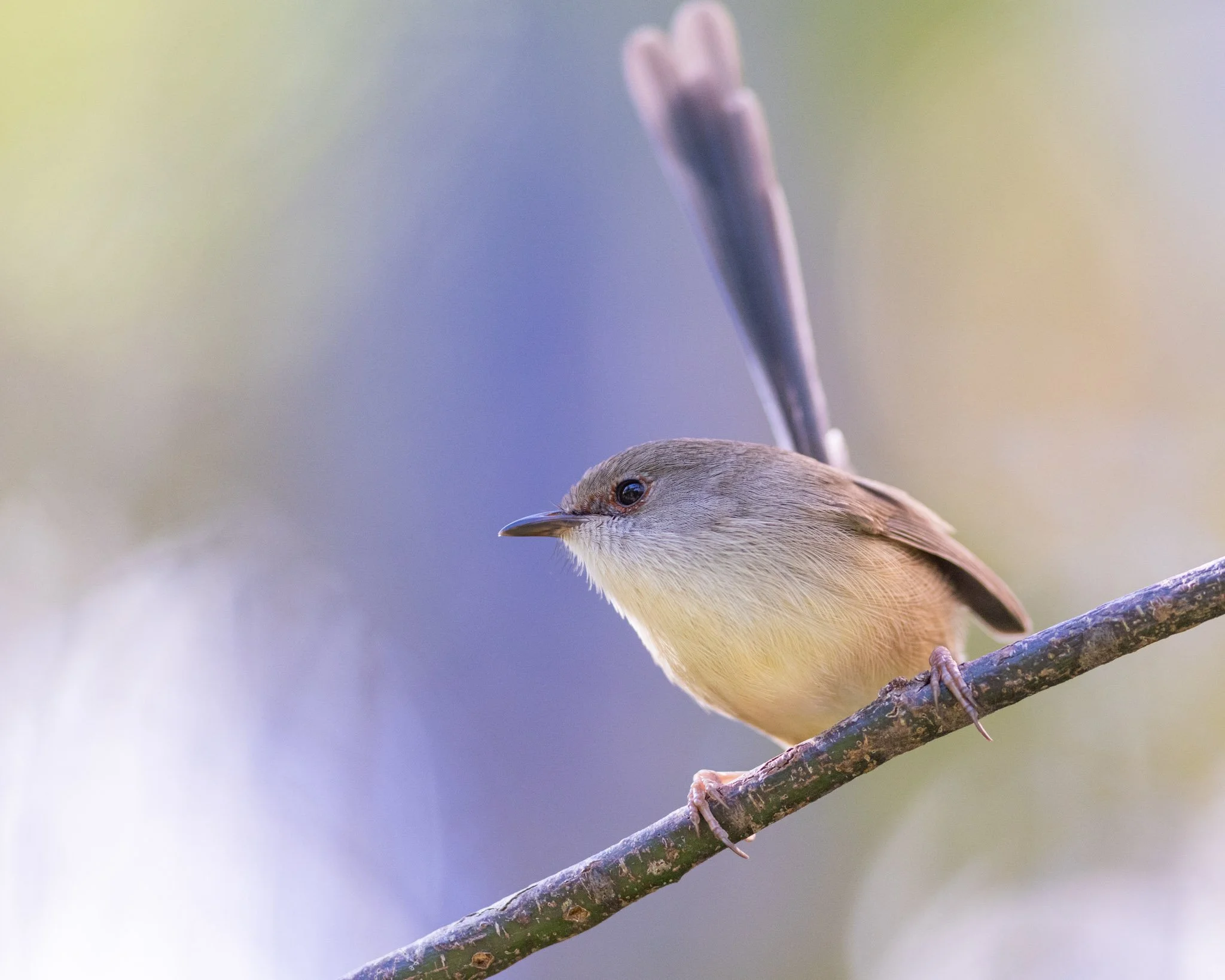
Immature Variegated Fairywren male on 27/6/25
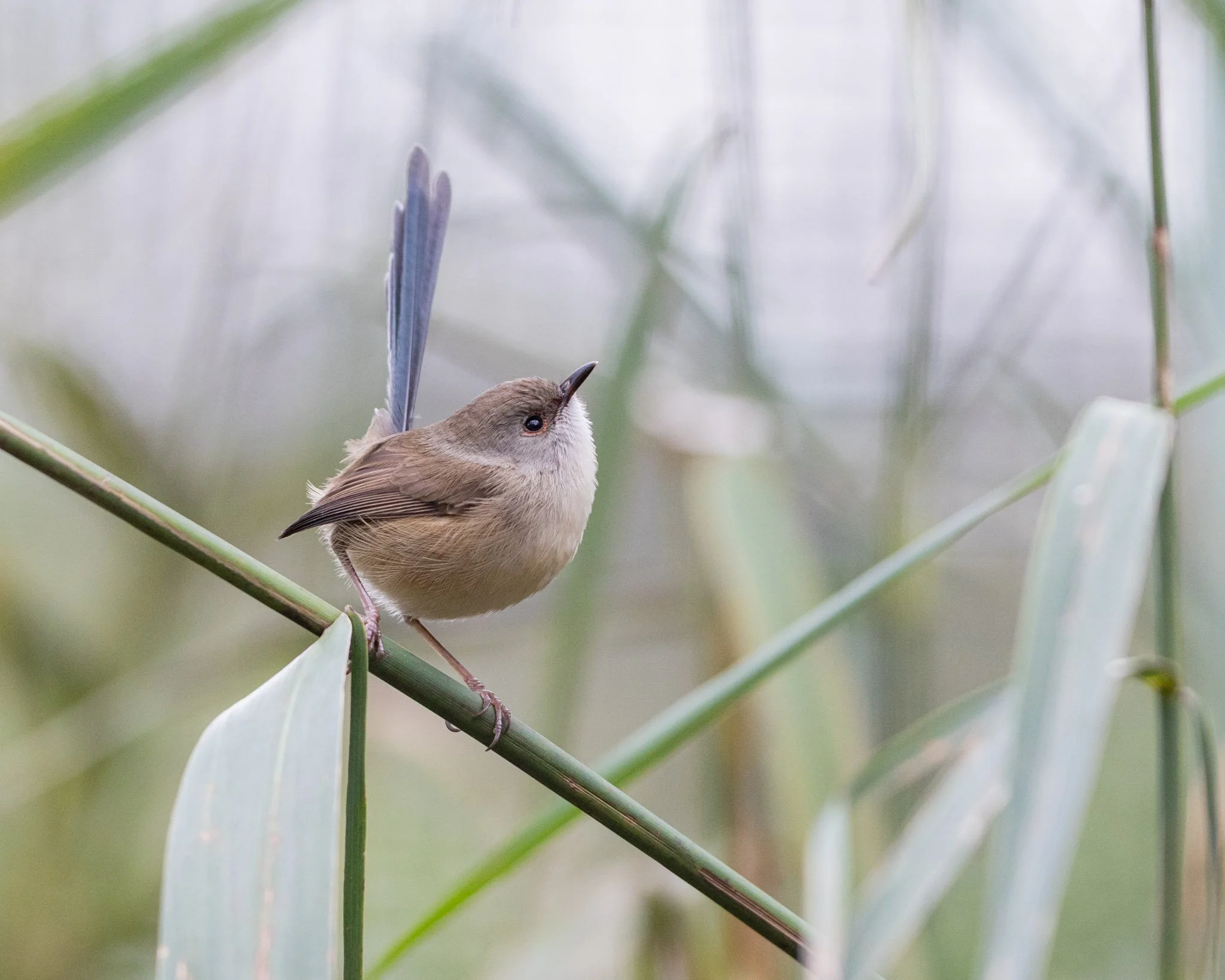
Immature Variegated Fairywren male on 27/6/25
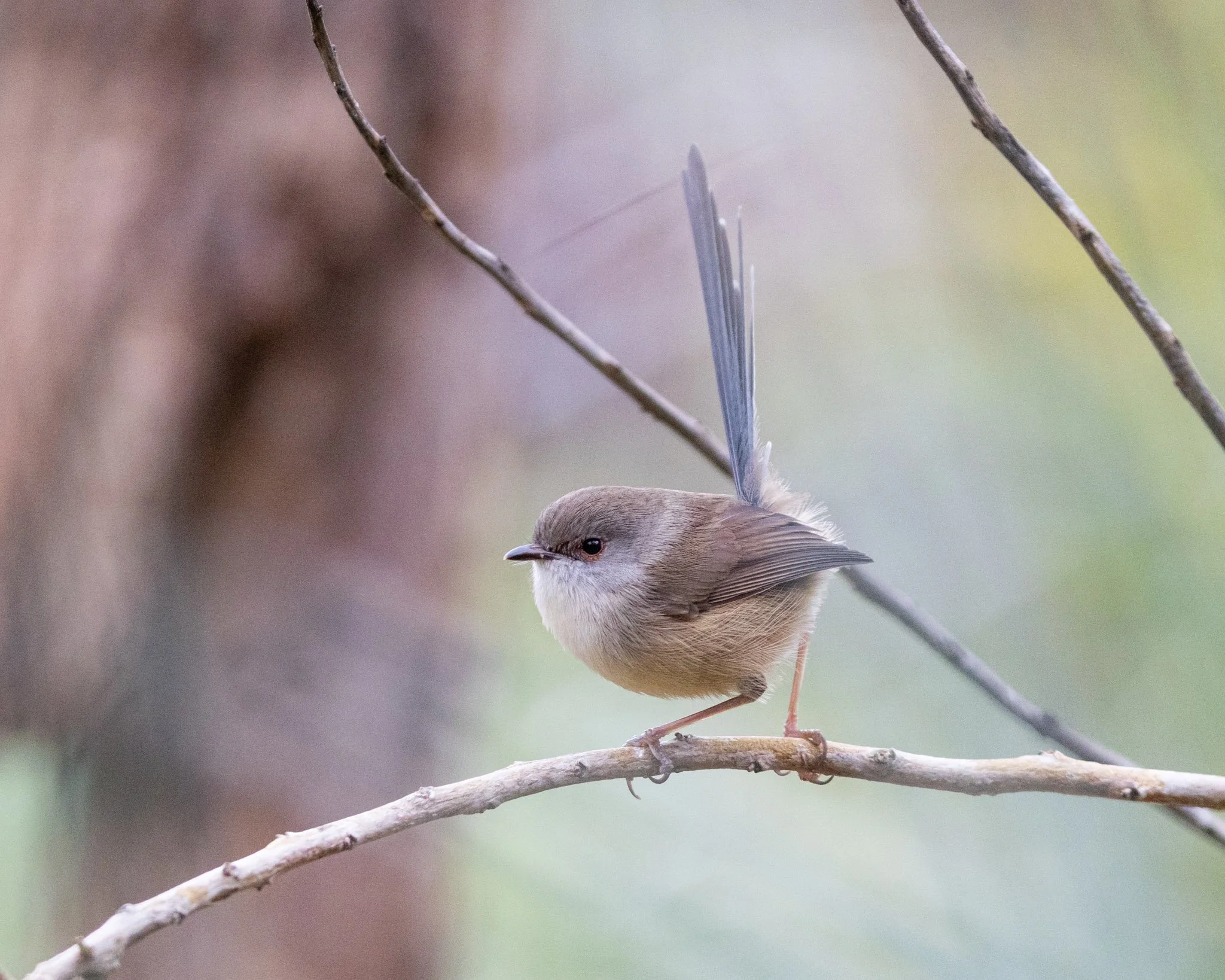
Immature Variegated Fairywren male on 27/6/25
I took a break over the winter school holidays, as it can be difficult to photograph birds when there’s a lot of people walking through the aviary. When I returned on 23/7/25, his beak had reached the black of an adult male, and he had peeks of black feathers in his lores. I also got a photo of him getting one of the crickets fed to the aviary.
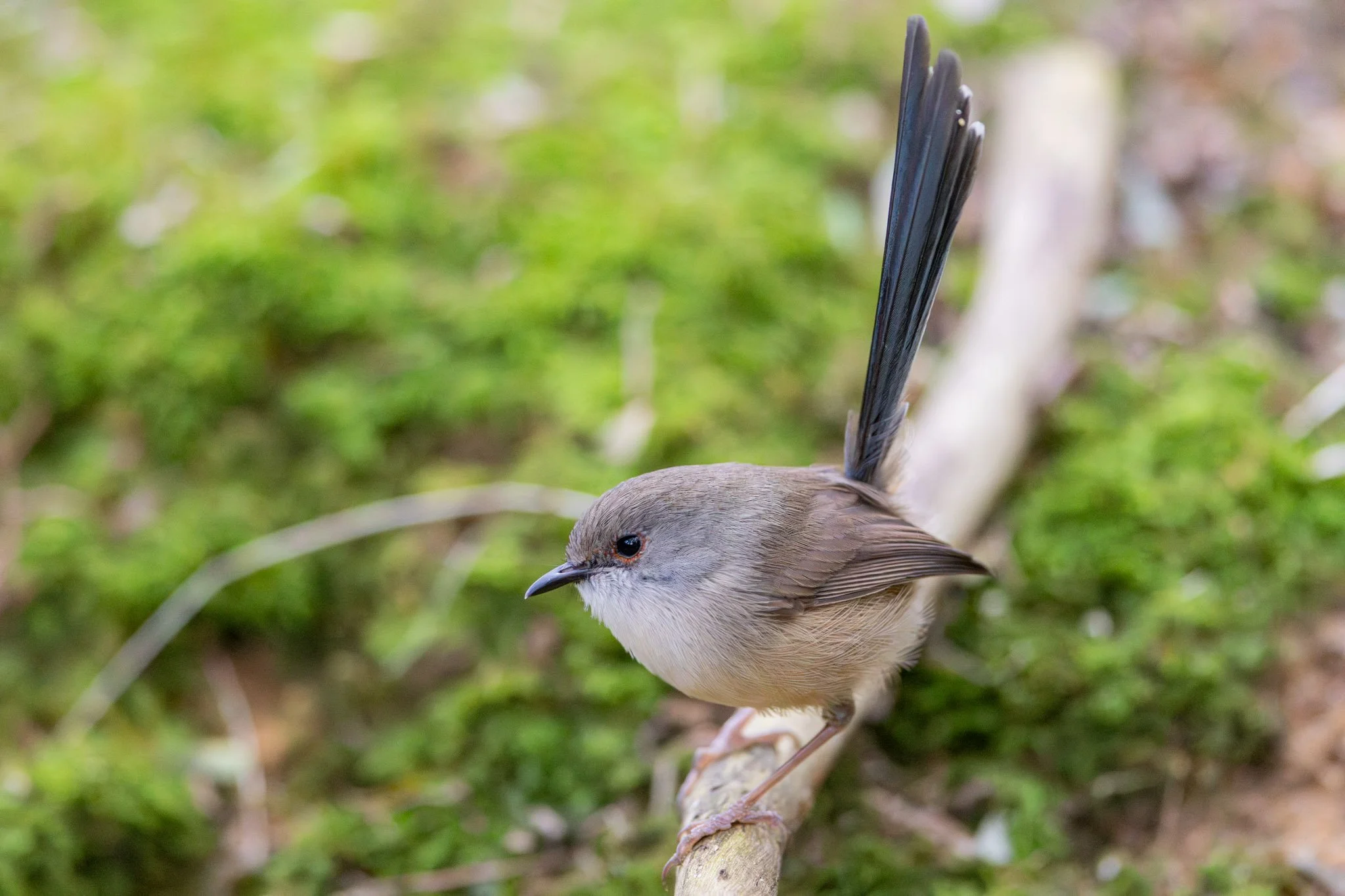
Immature Variegated Fairywren male on 23/7/25
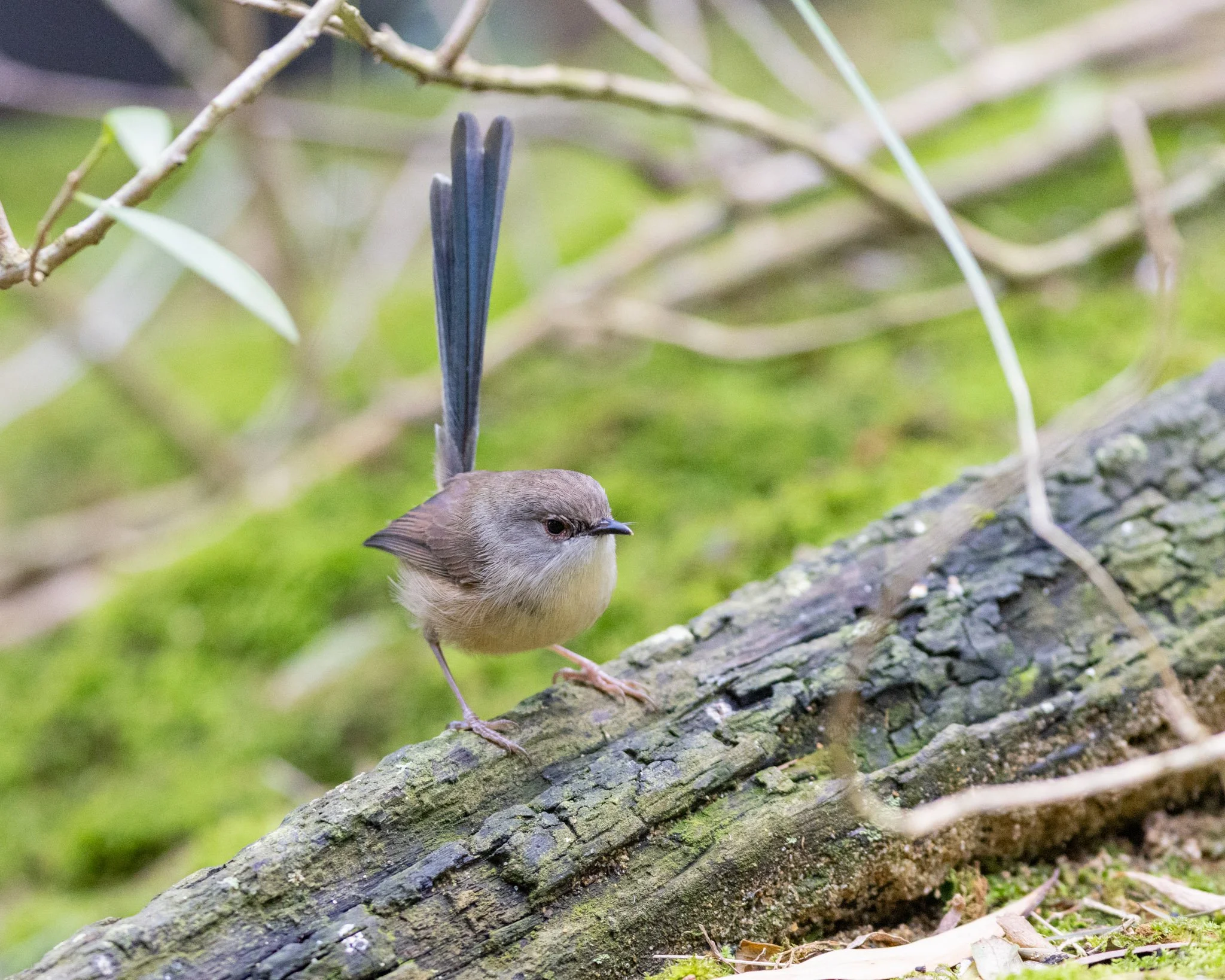
Immature Variegated Fairywren male on 23/7/25
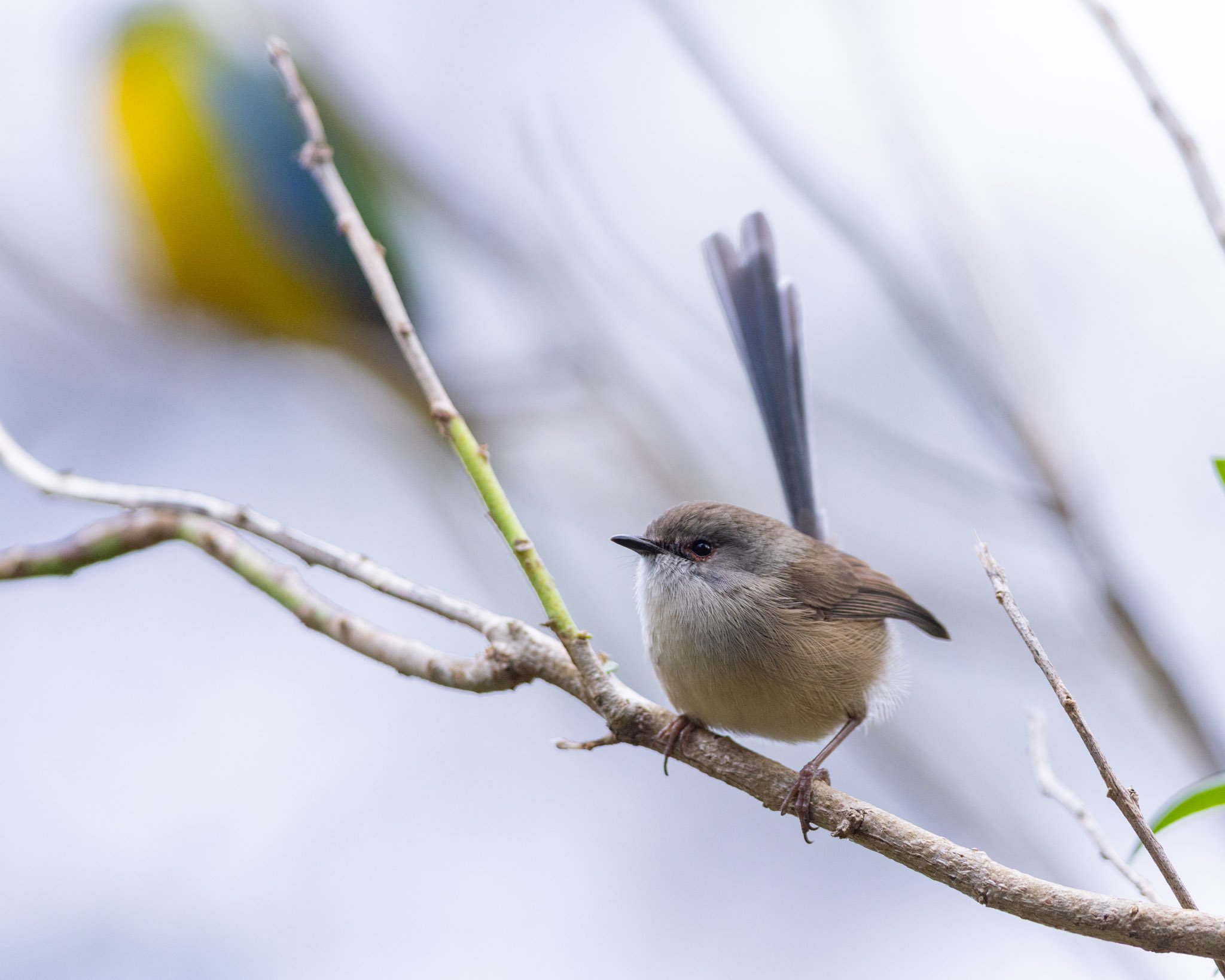
Immature Variegated Fairywren male on 23/7/25
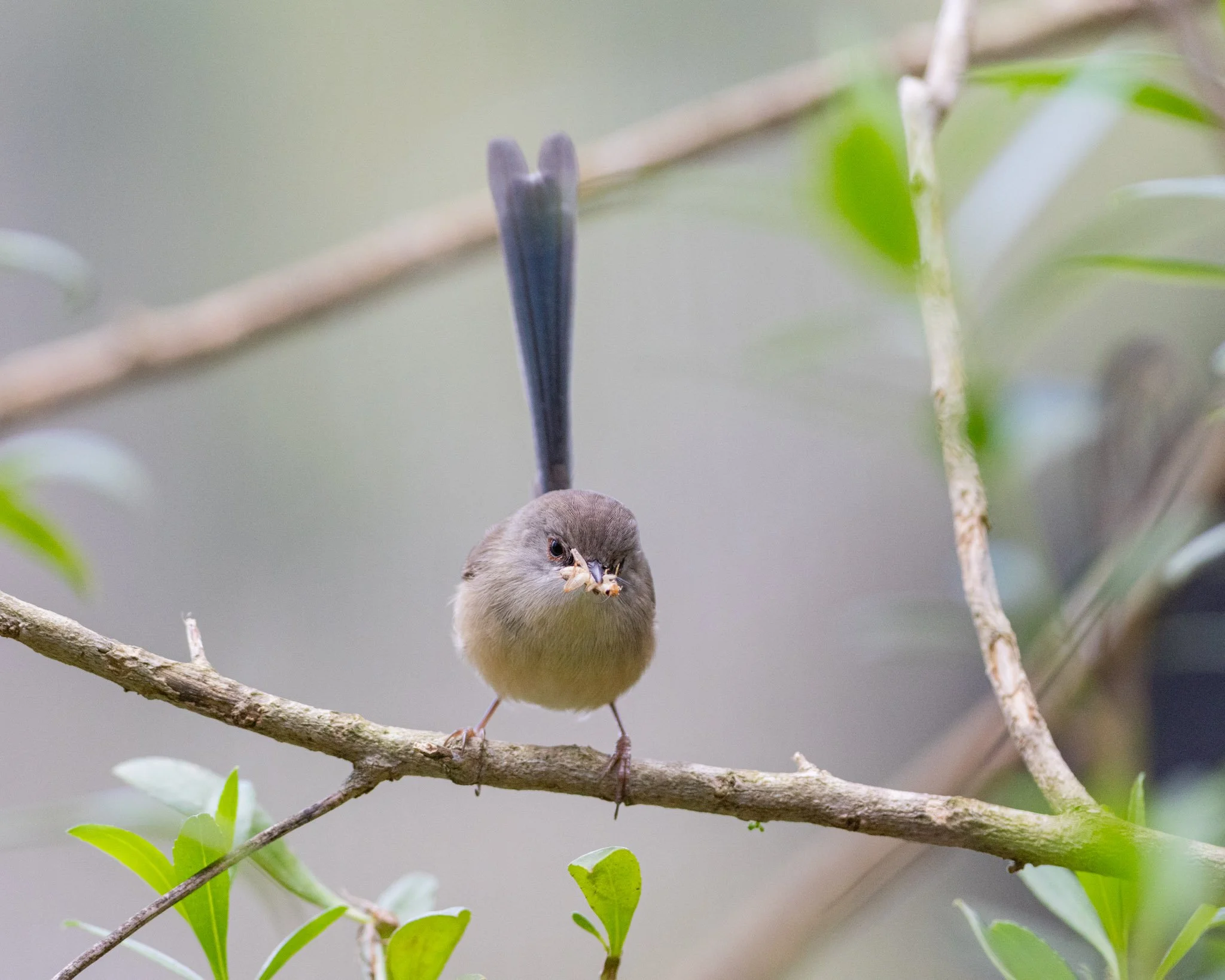
Immature Variegated Fairywren male on 23/7/25
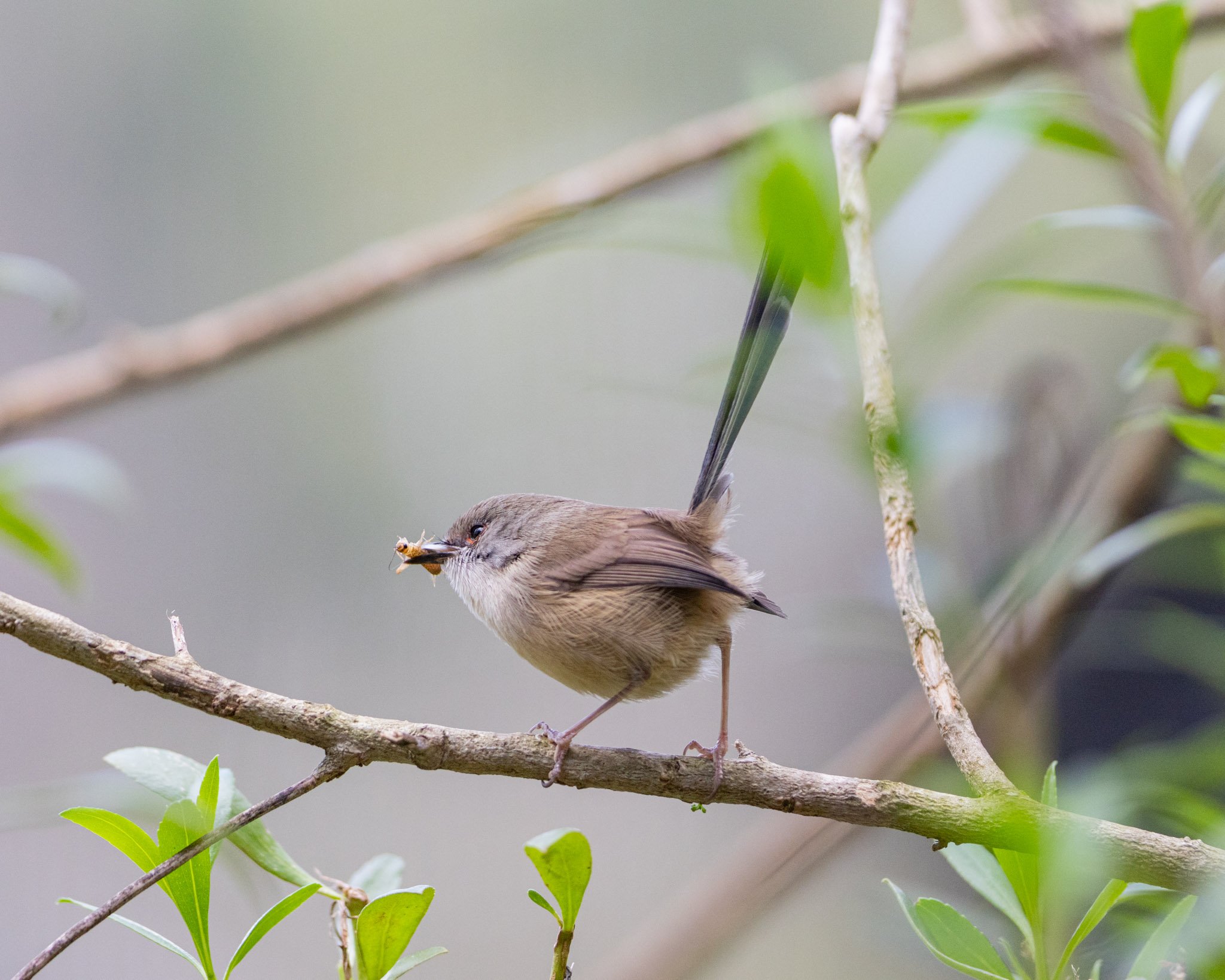
Immature Variegated Fairywren male on 23/7/25
I came back on 29/7/25 but was unable to spend long due to focusing on something else on the day, and so couldn’t spend the 2-3 hours that I usually needed to get my photos.
I didn’t get a photo of him by himself, but I got a photo of him cuddling up with his mum for an afternoon nap. I got a bit of a shock when I saw black feathers on his face, which I wasn’t expecting this early. In the wild, I often see immature fairywrens into spring, which have black beaks but the remnants of the brown eye ring/lores, while older male fairywrens with only a black beak and only light brown feathers tend to change over winter.
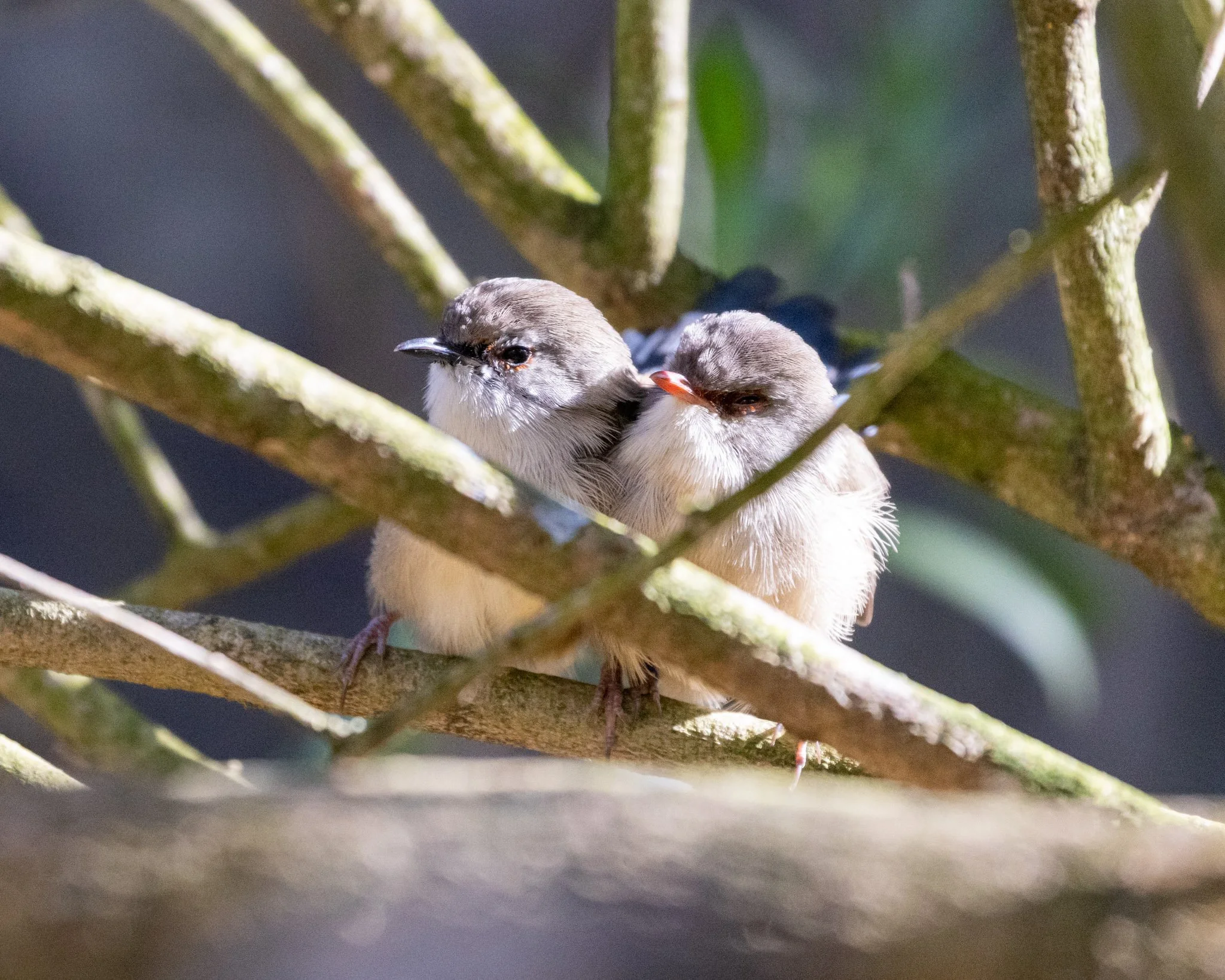
Immature Variegated Fairywren male on the left, with his mum on the right, on 29/7/25
This will be very long if I don’t split this up, and this is a good spot to stop.
Continued in the next post!
Written by Nikki Leung, 2026
Photos by Nikki Leung, 2025